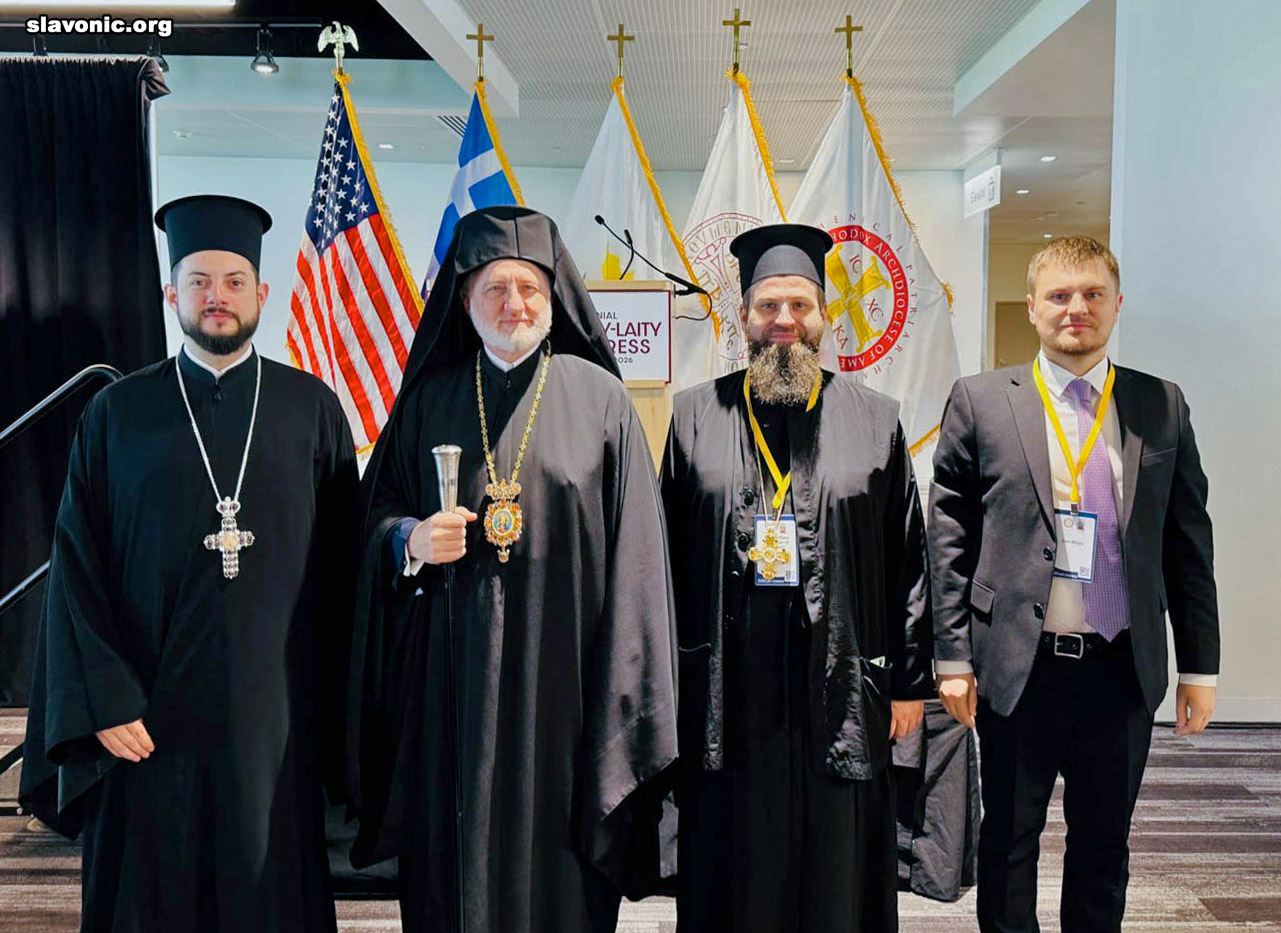
OHIO. Representatives of the Slavic Orthodox Vicariate Participate in the 48th Clergy-Laity Congress of the Greek Orthodox Archdiocese of America in Cleveland
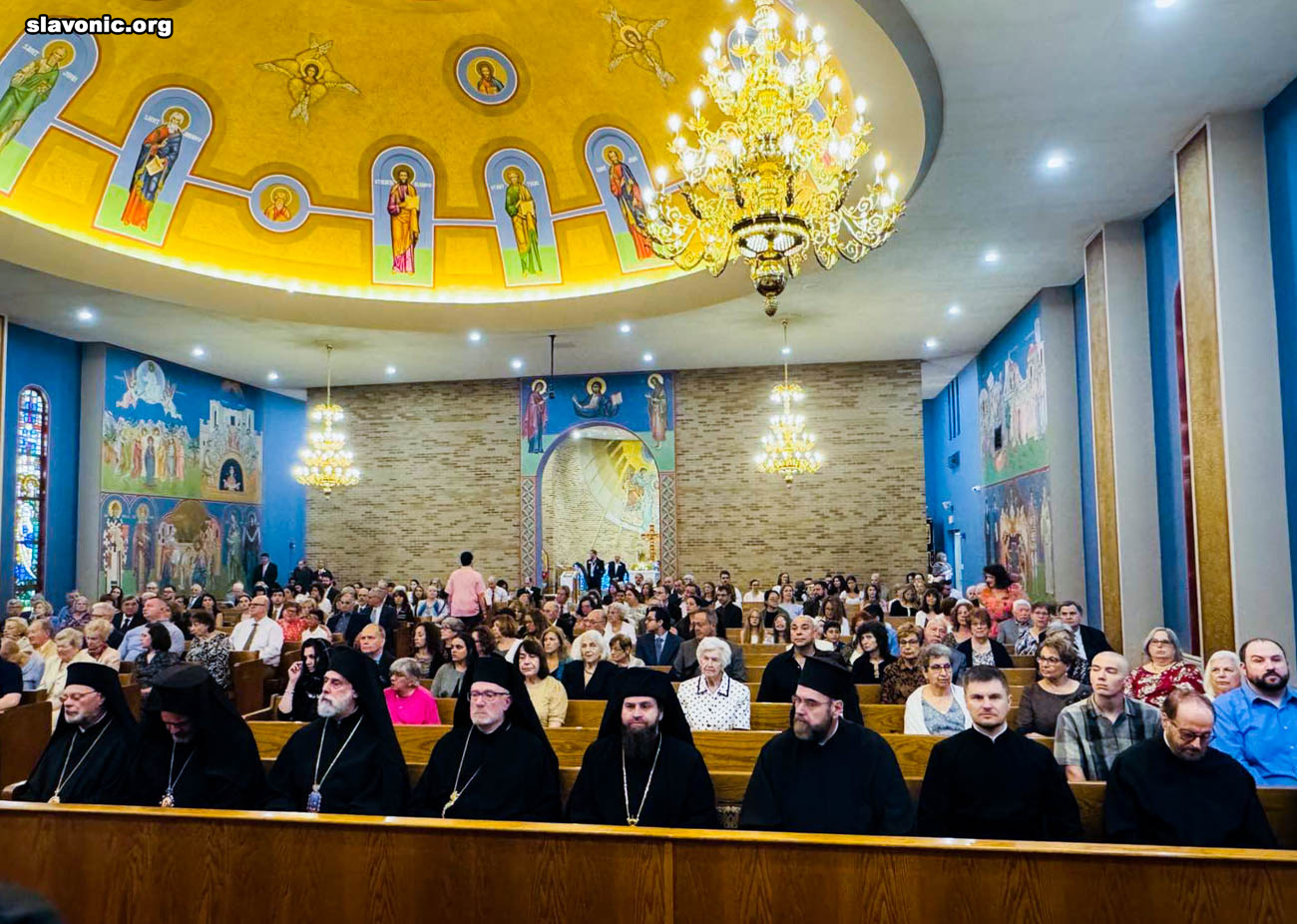
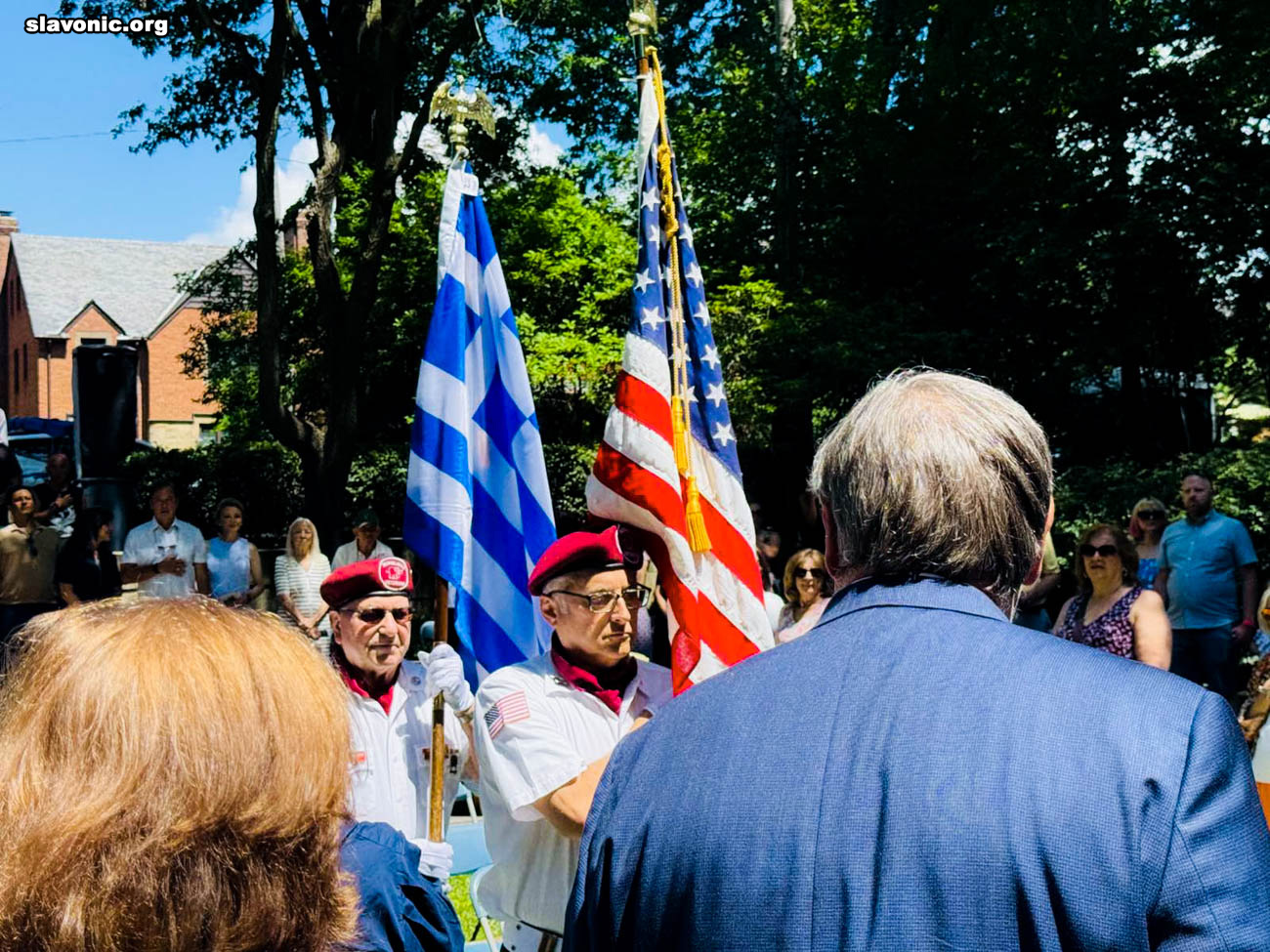
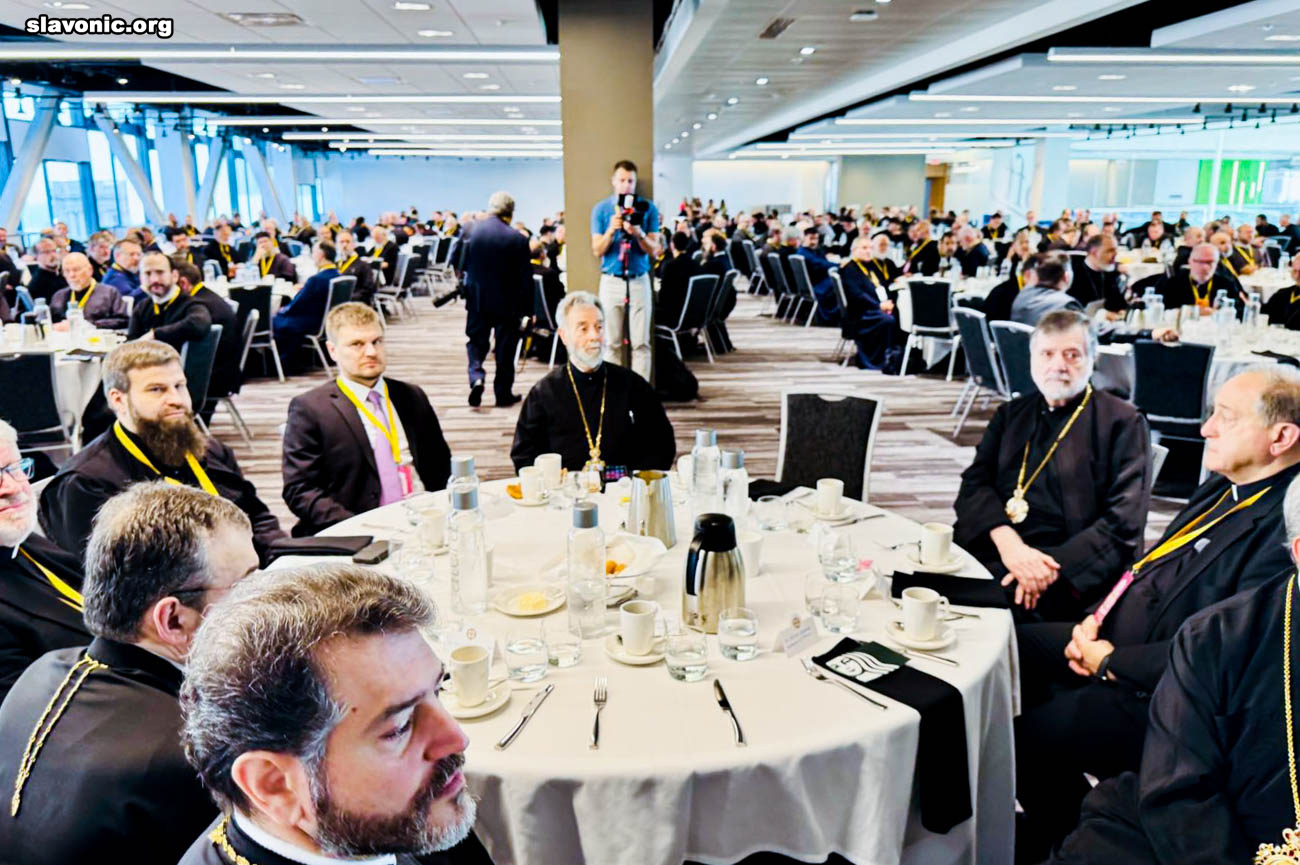
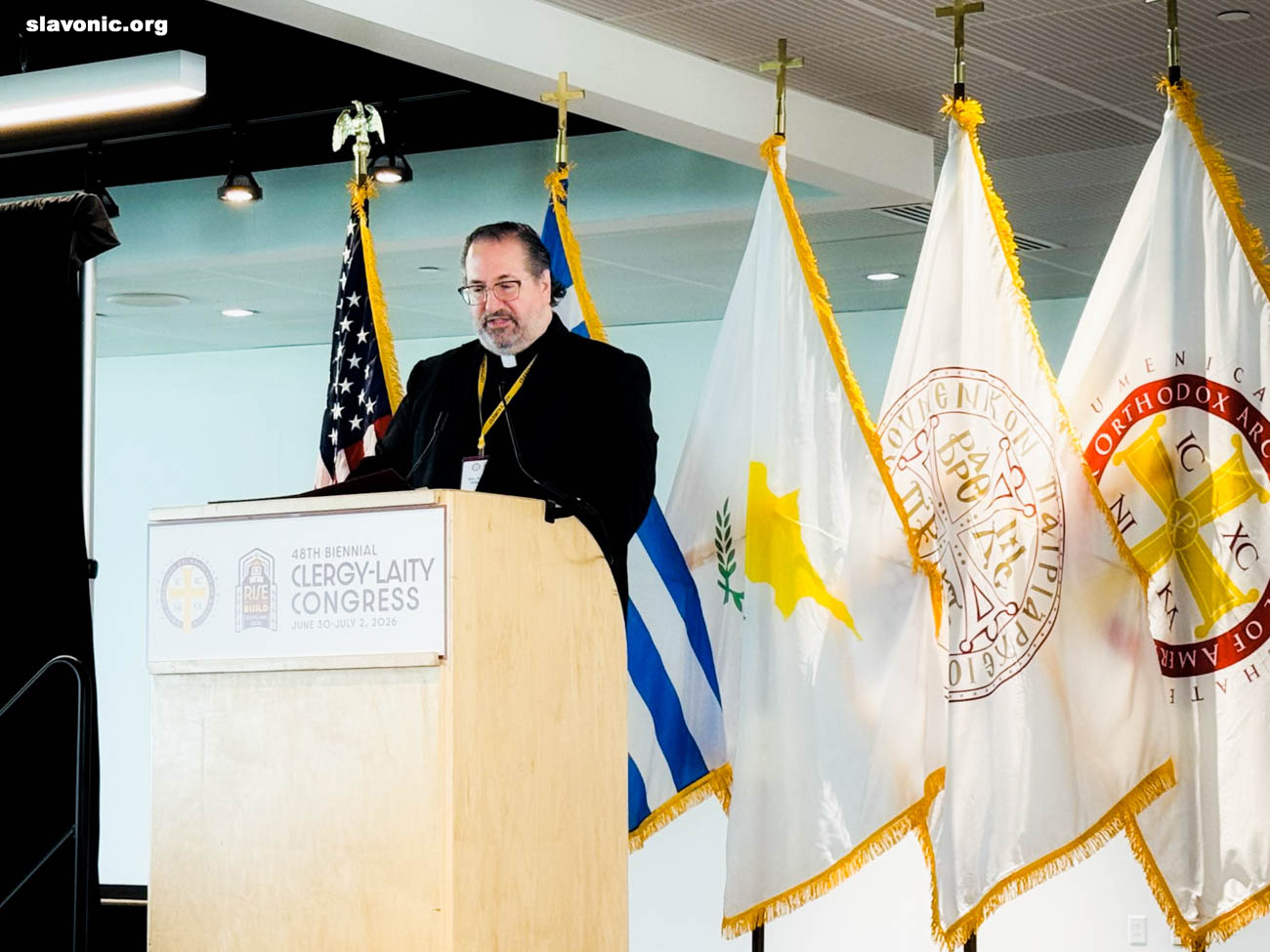
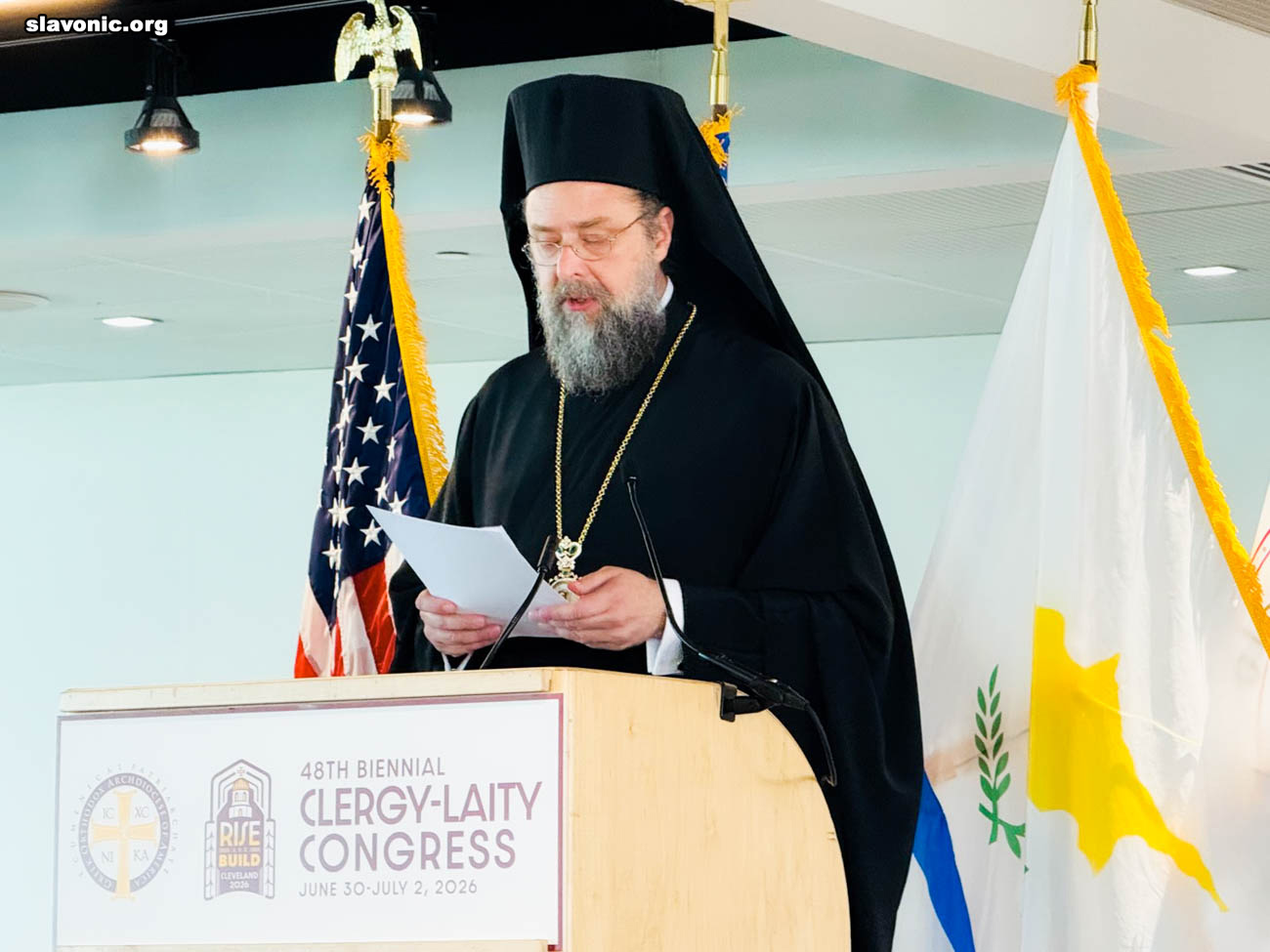
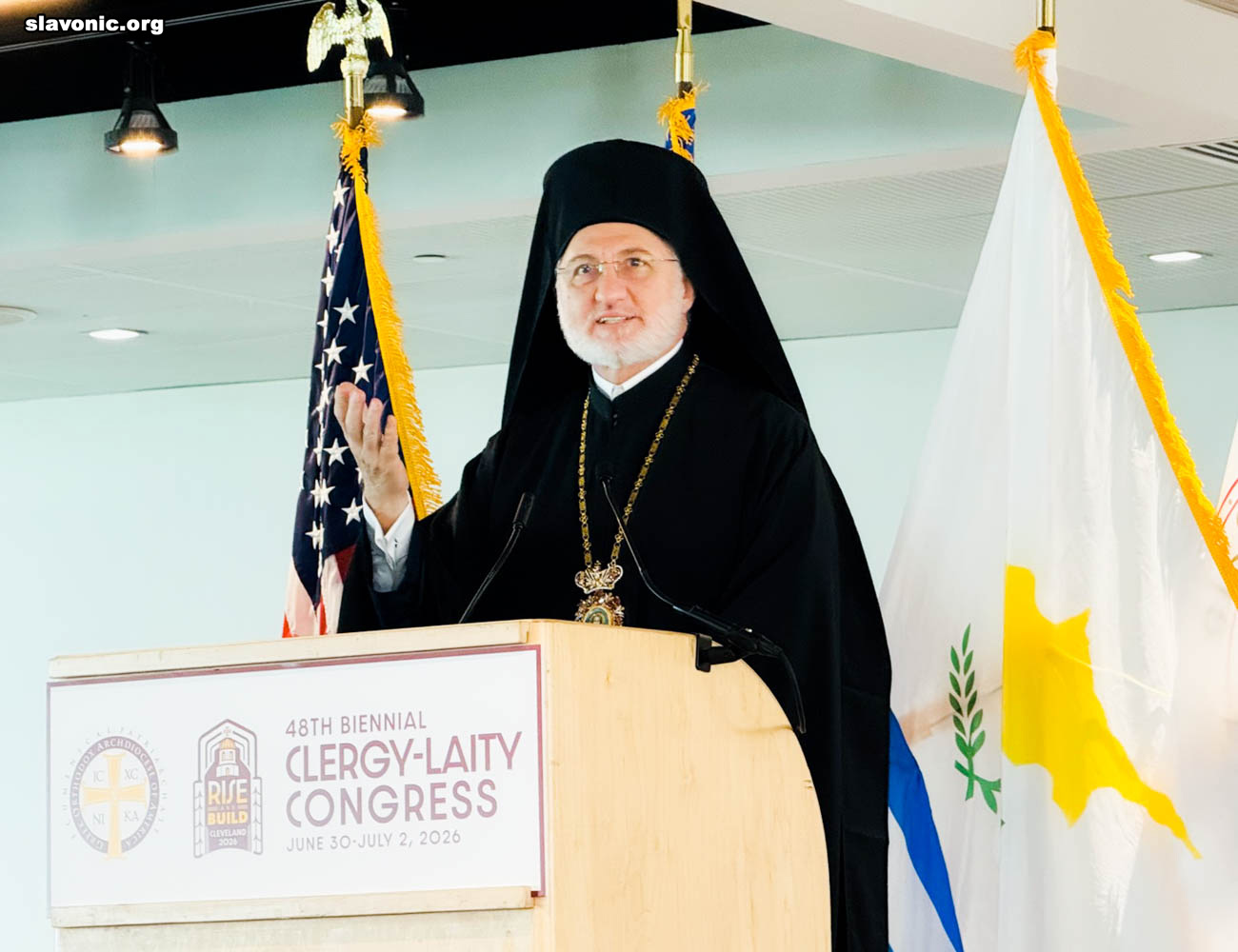
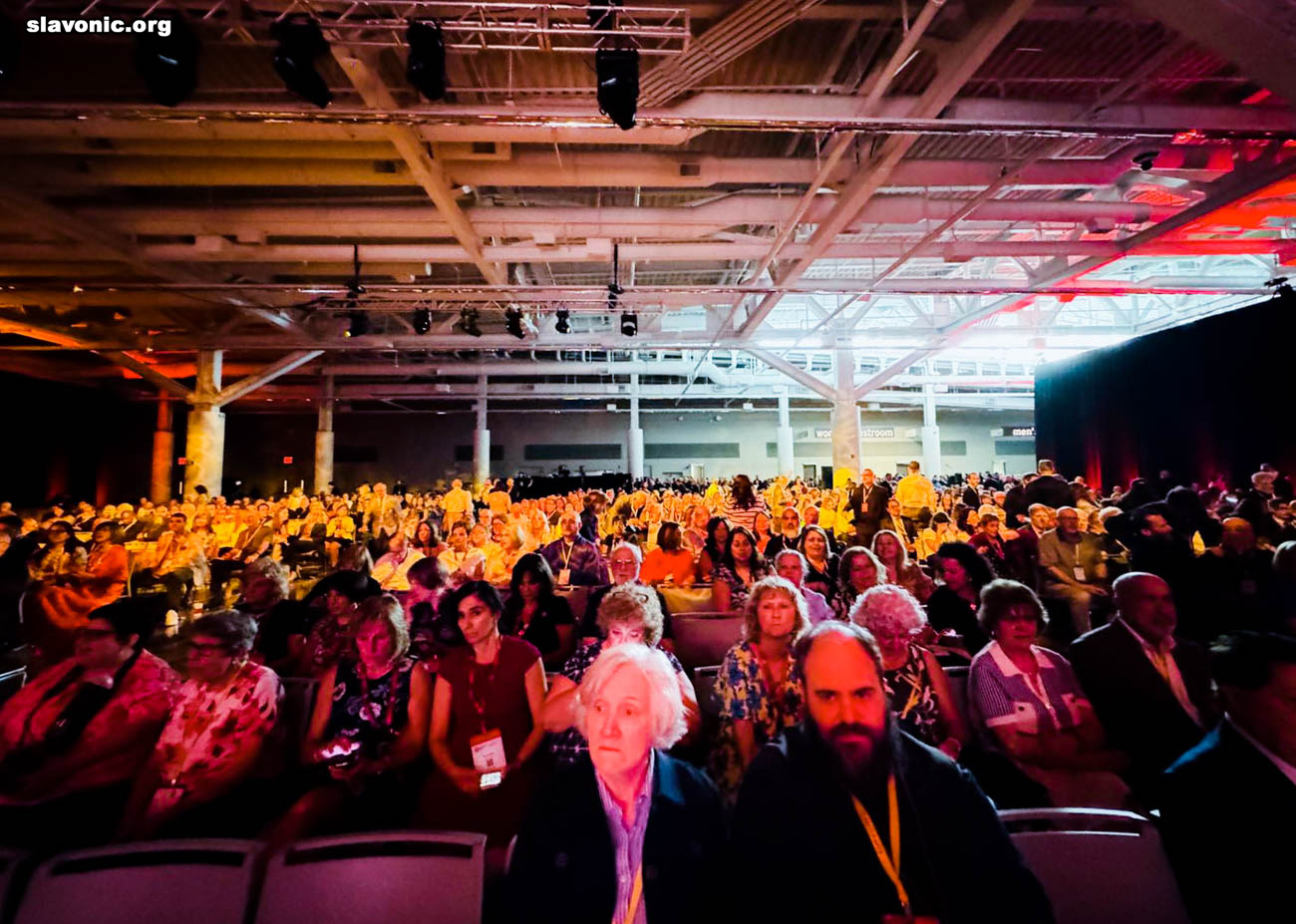
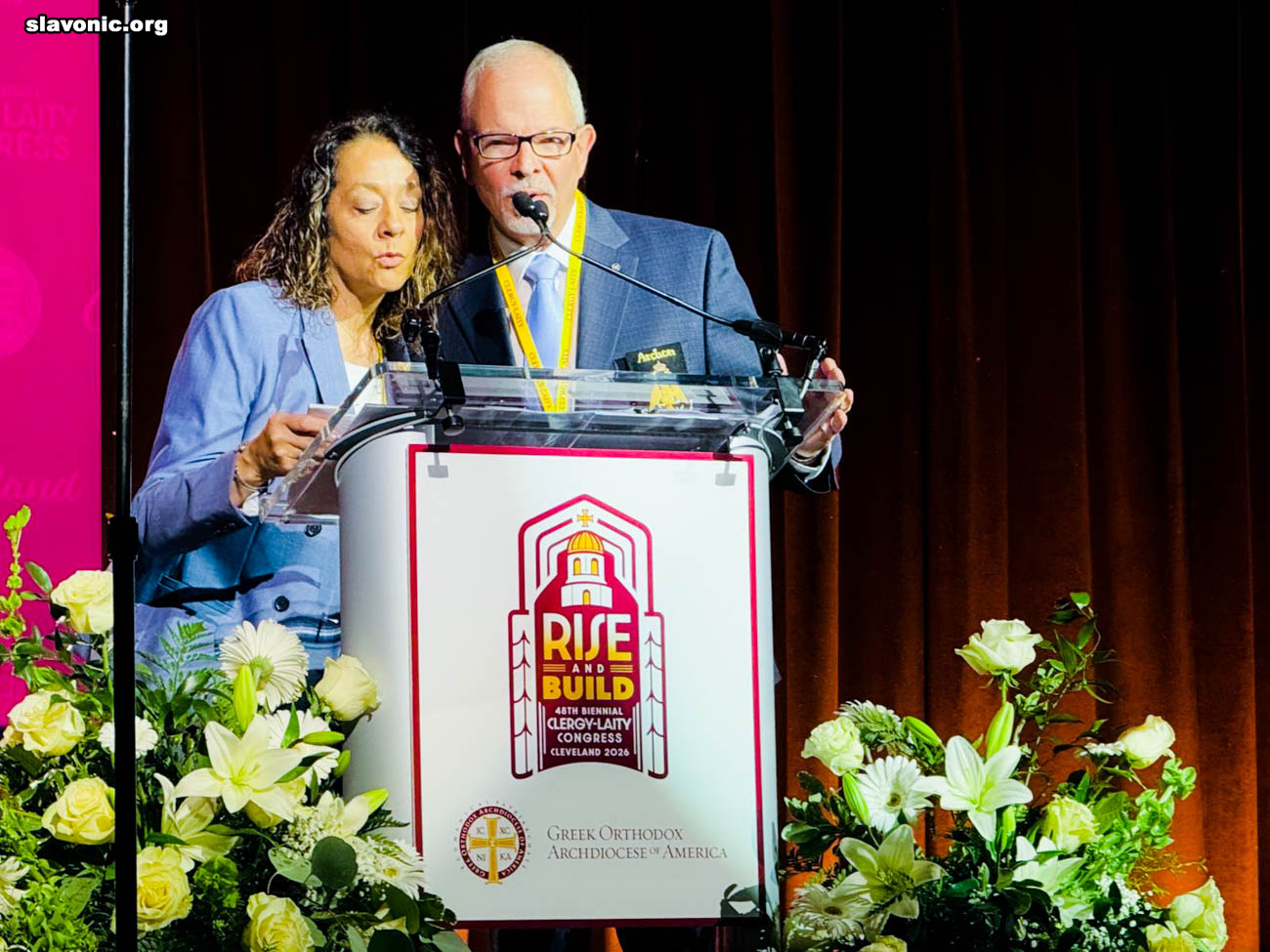
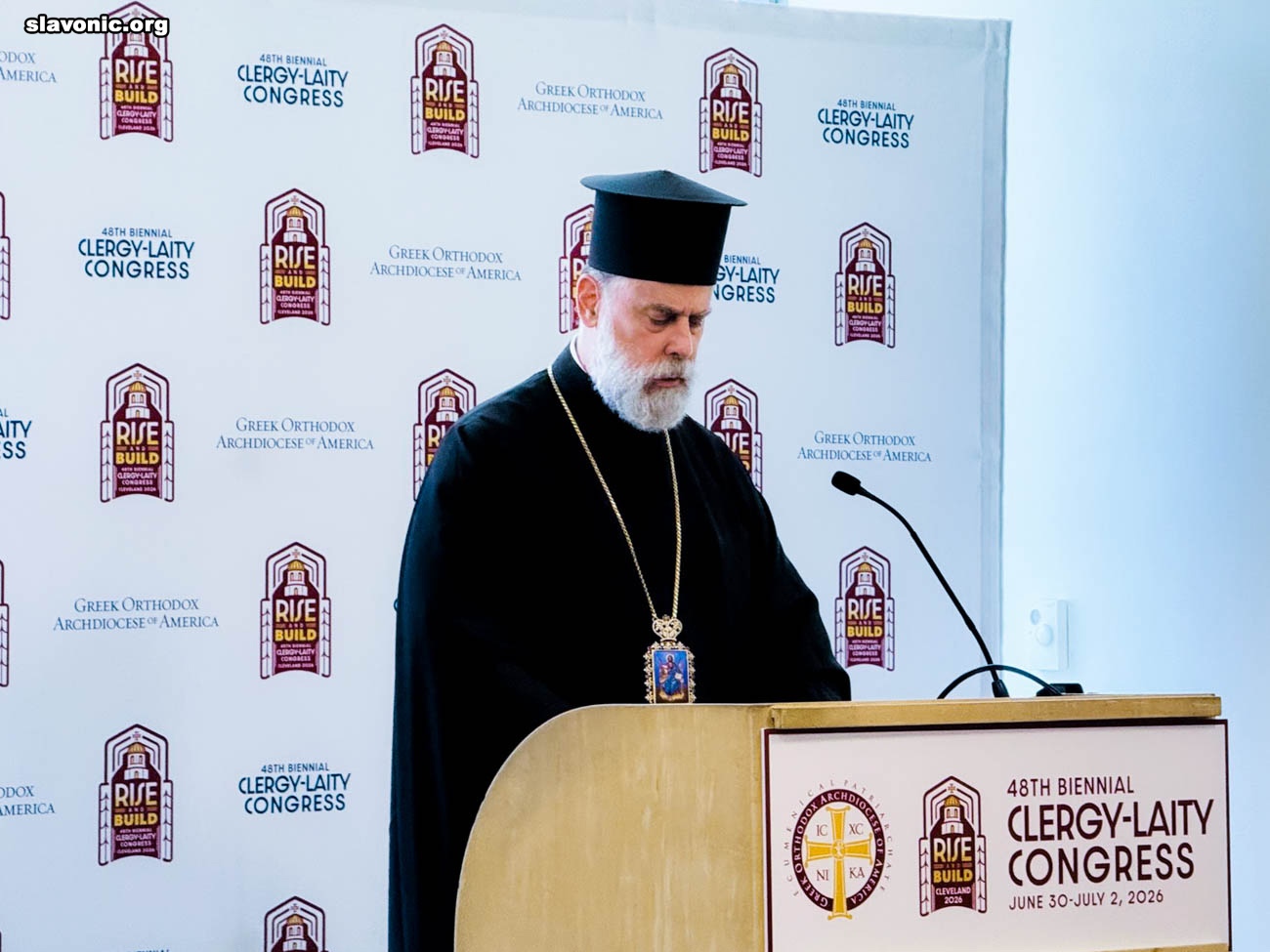
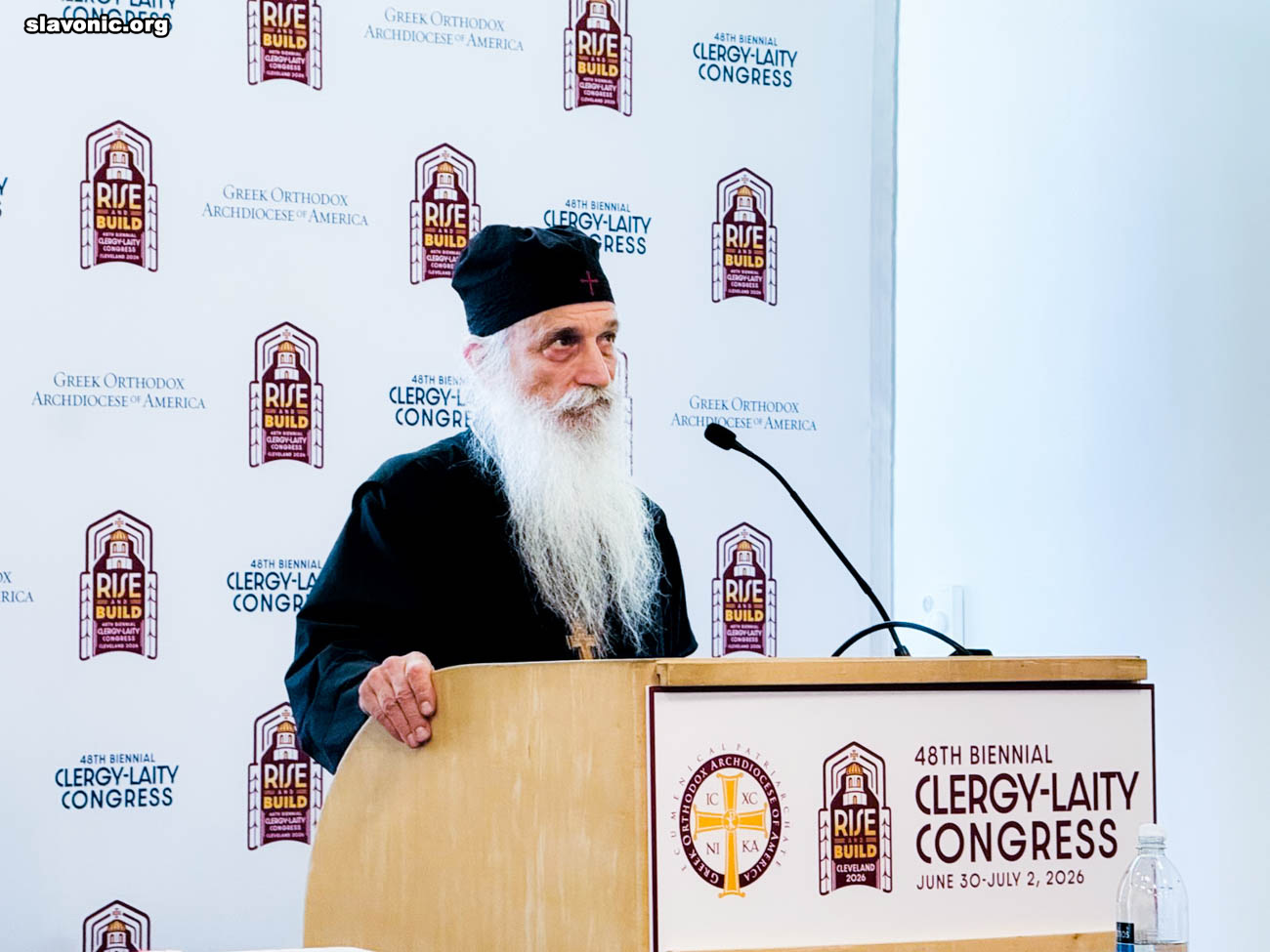
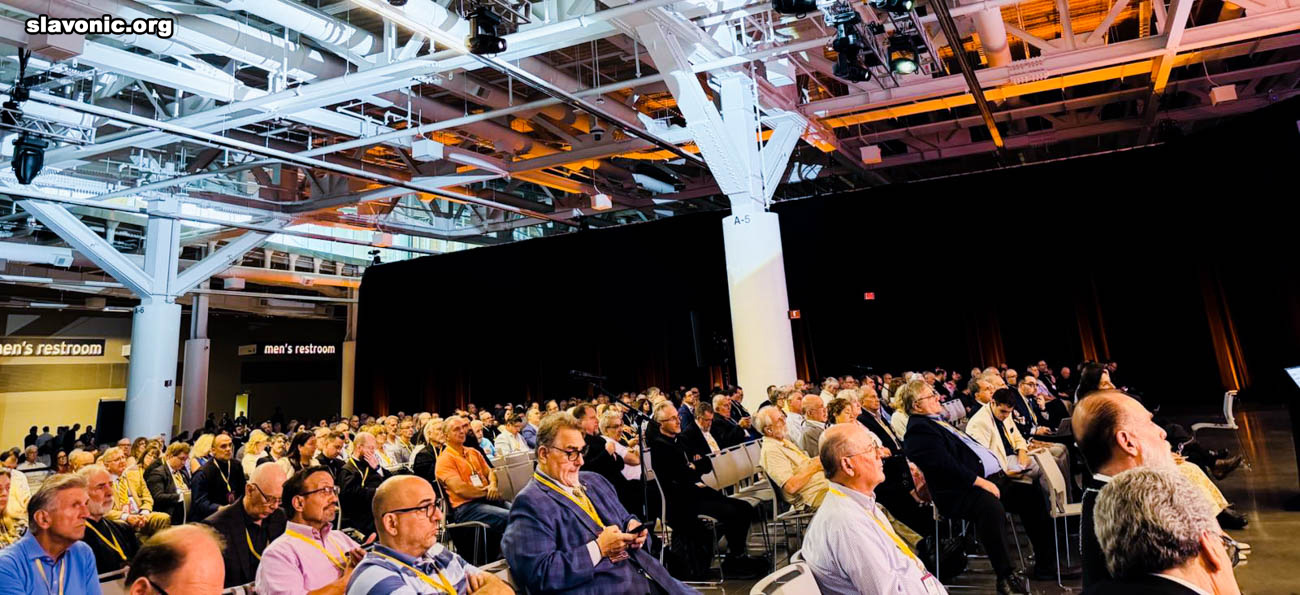
July 3, 2026From June 30 to July 2, the 48th Clergy-Laity Congress of the Greek Orthodox Archdiocese of America was held in Cleveland, Ohio. Convened under the theme, “Rise Up and Build” (Nehemiah 2:18), the gathering brought together hierarchs, approximately 400 clergy, and lay delegates representing parishes and Church organizations from across the United States. In total, nearly 1,800 participants attended the Congress.
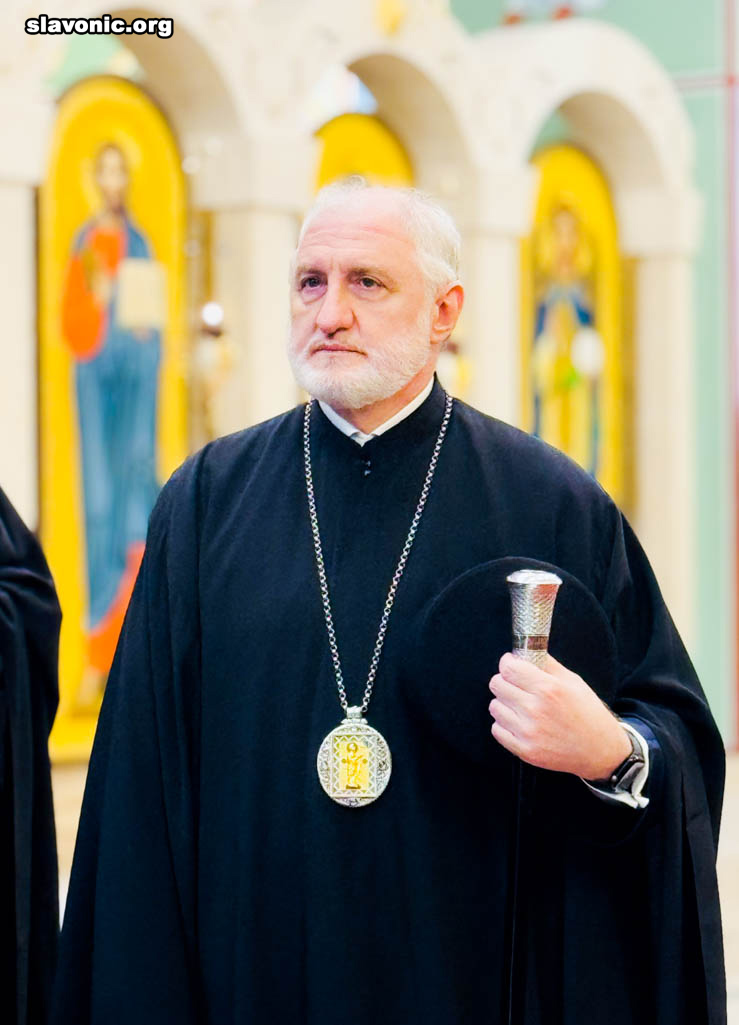
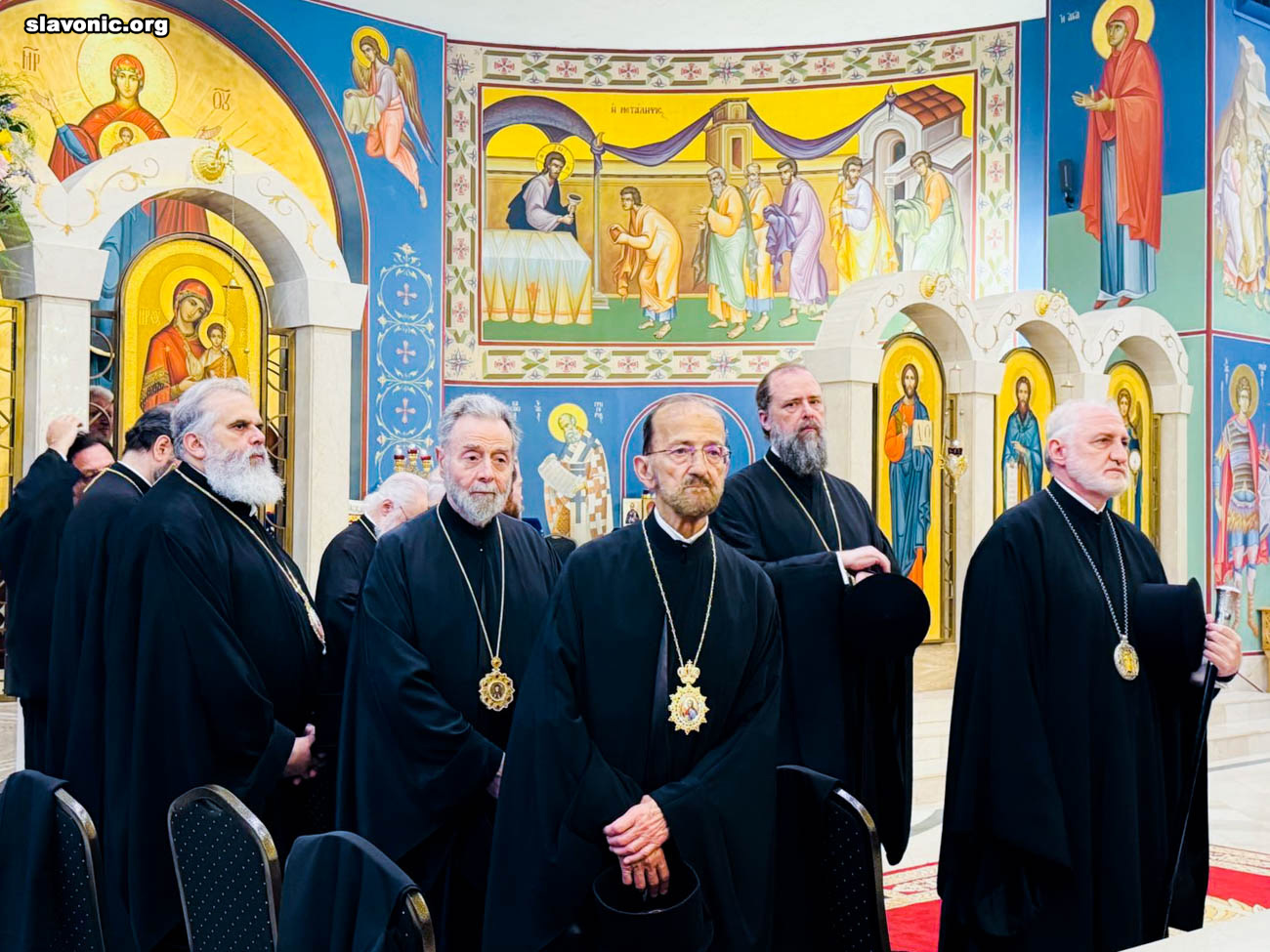
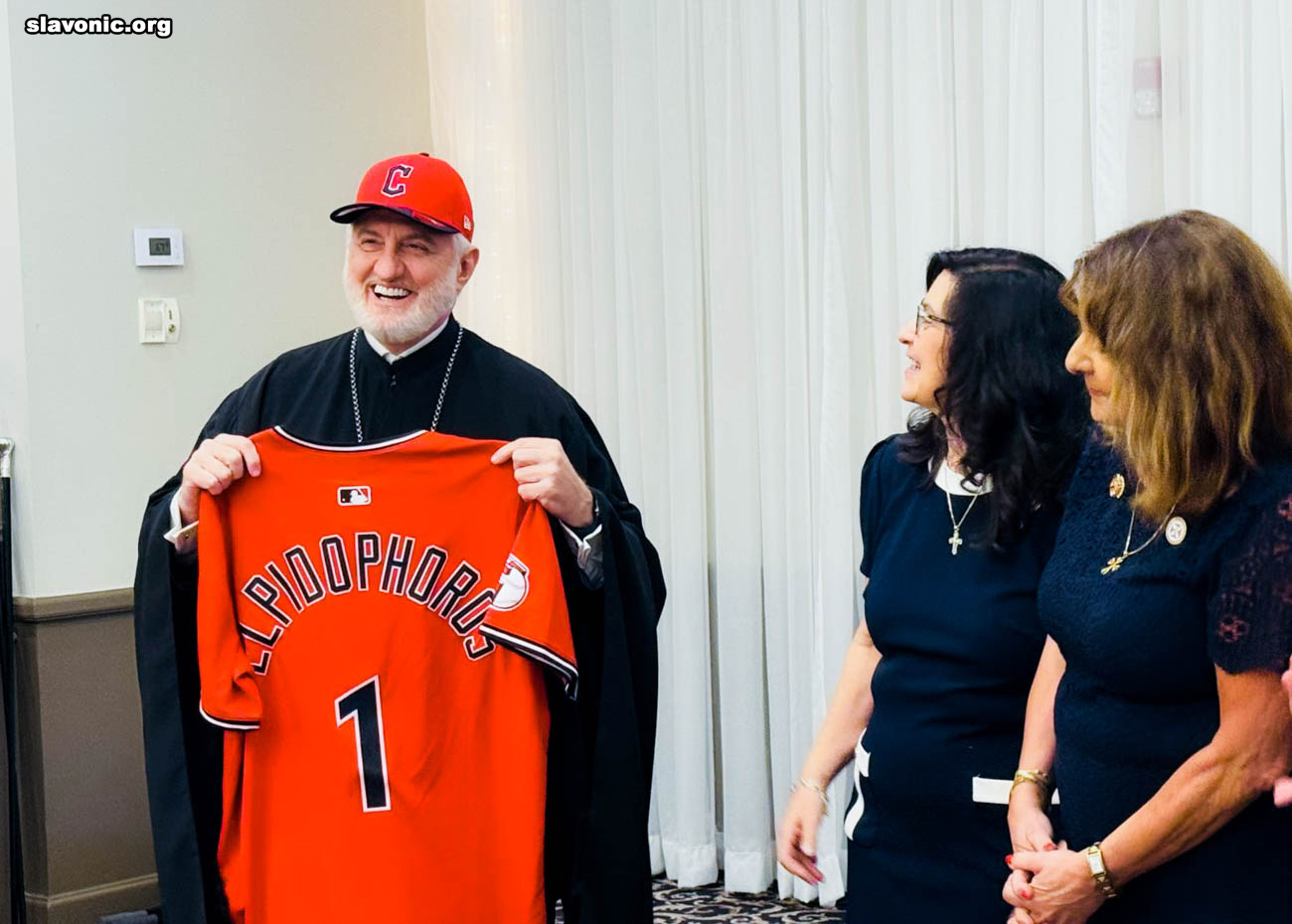
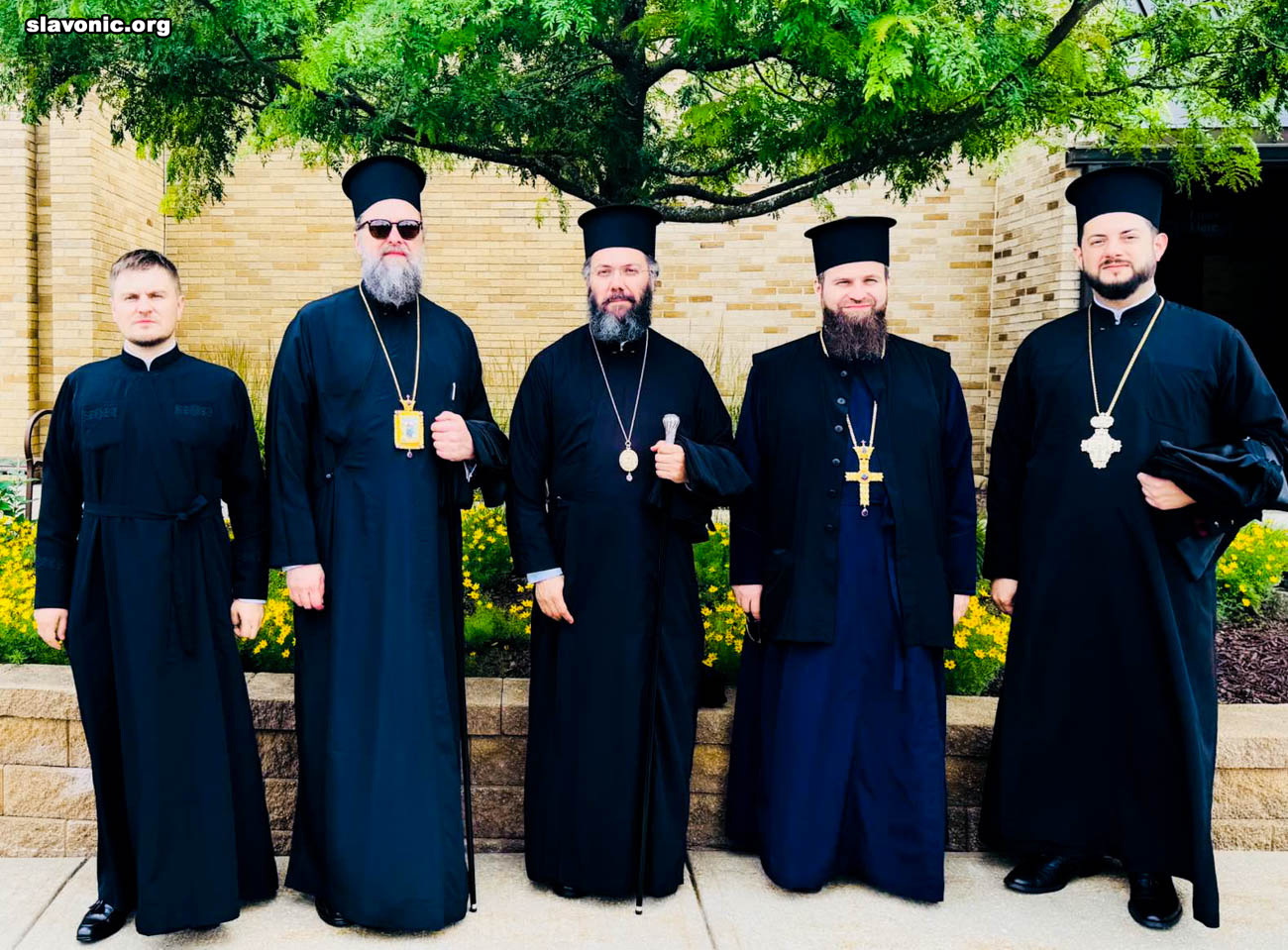
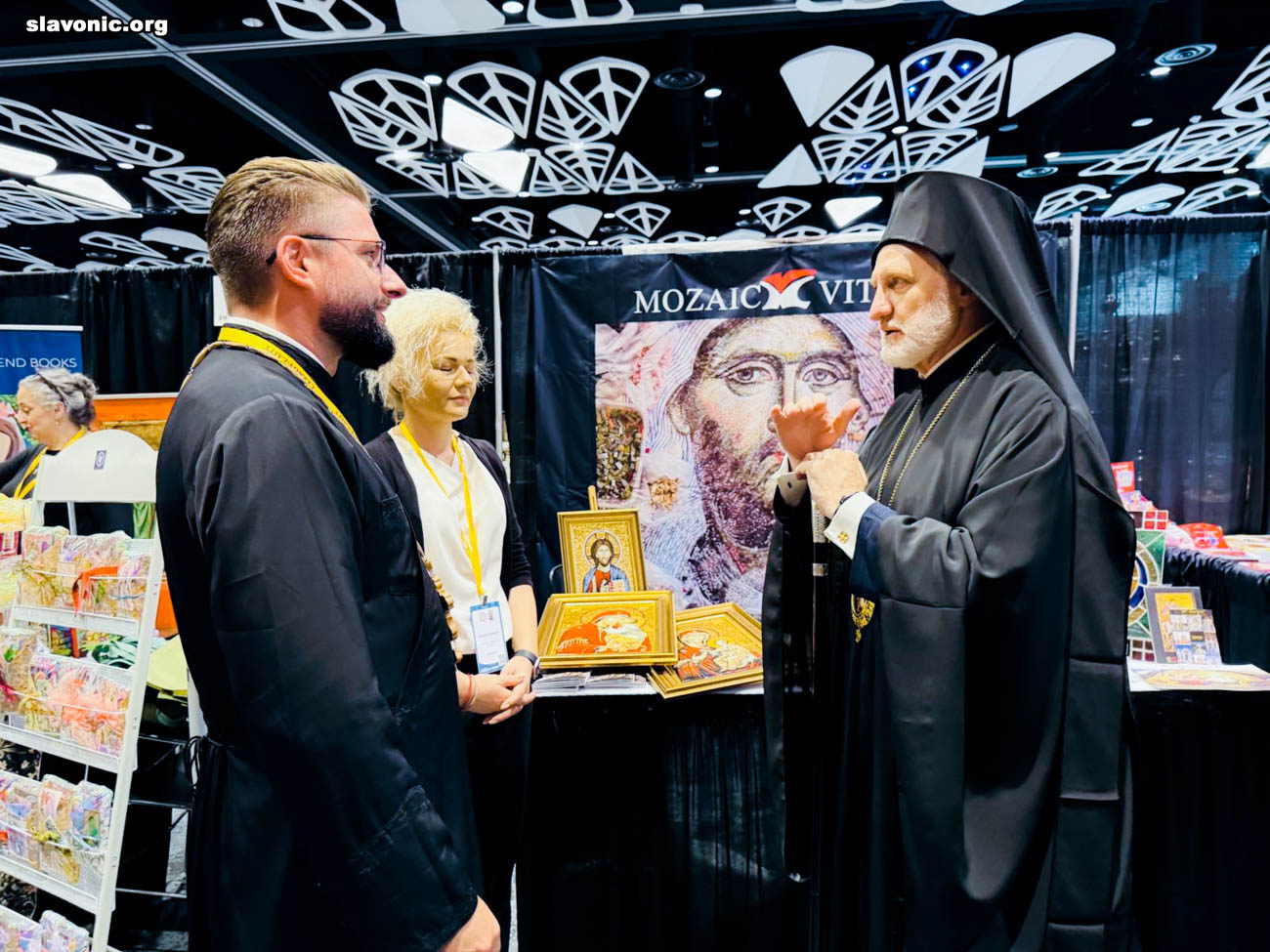
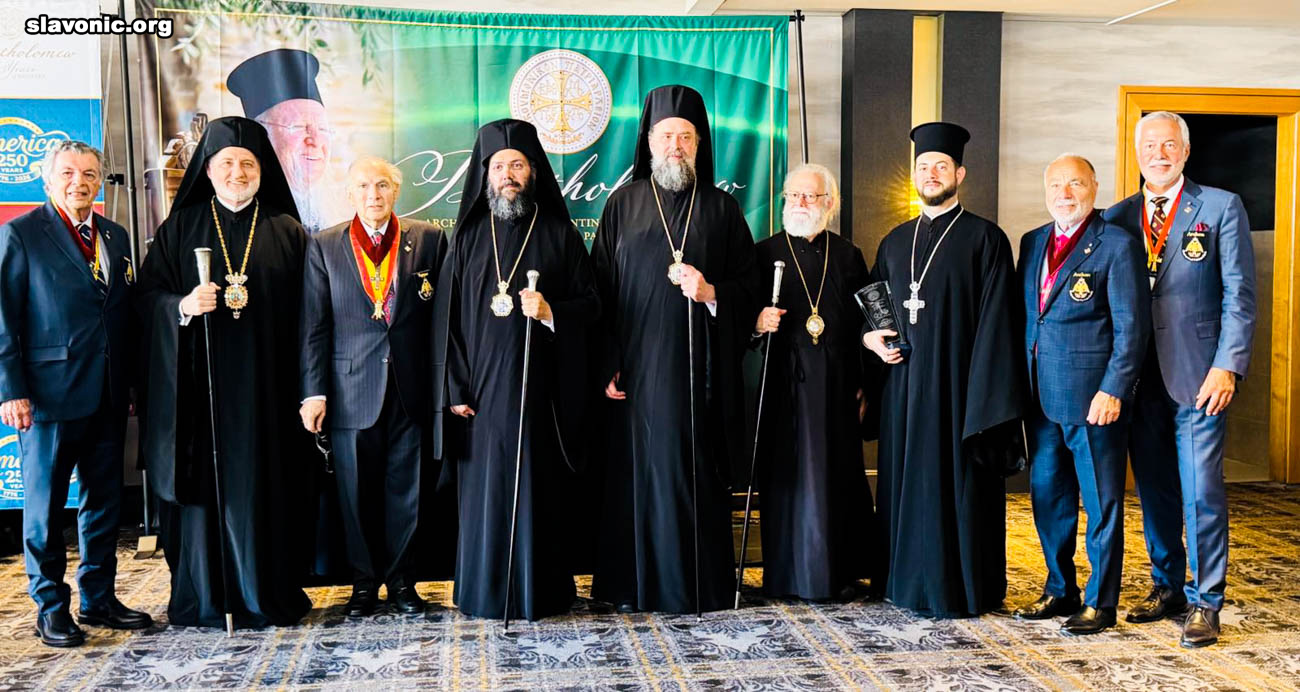
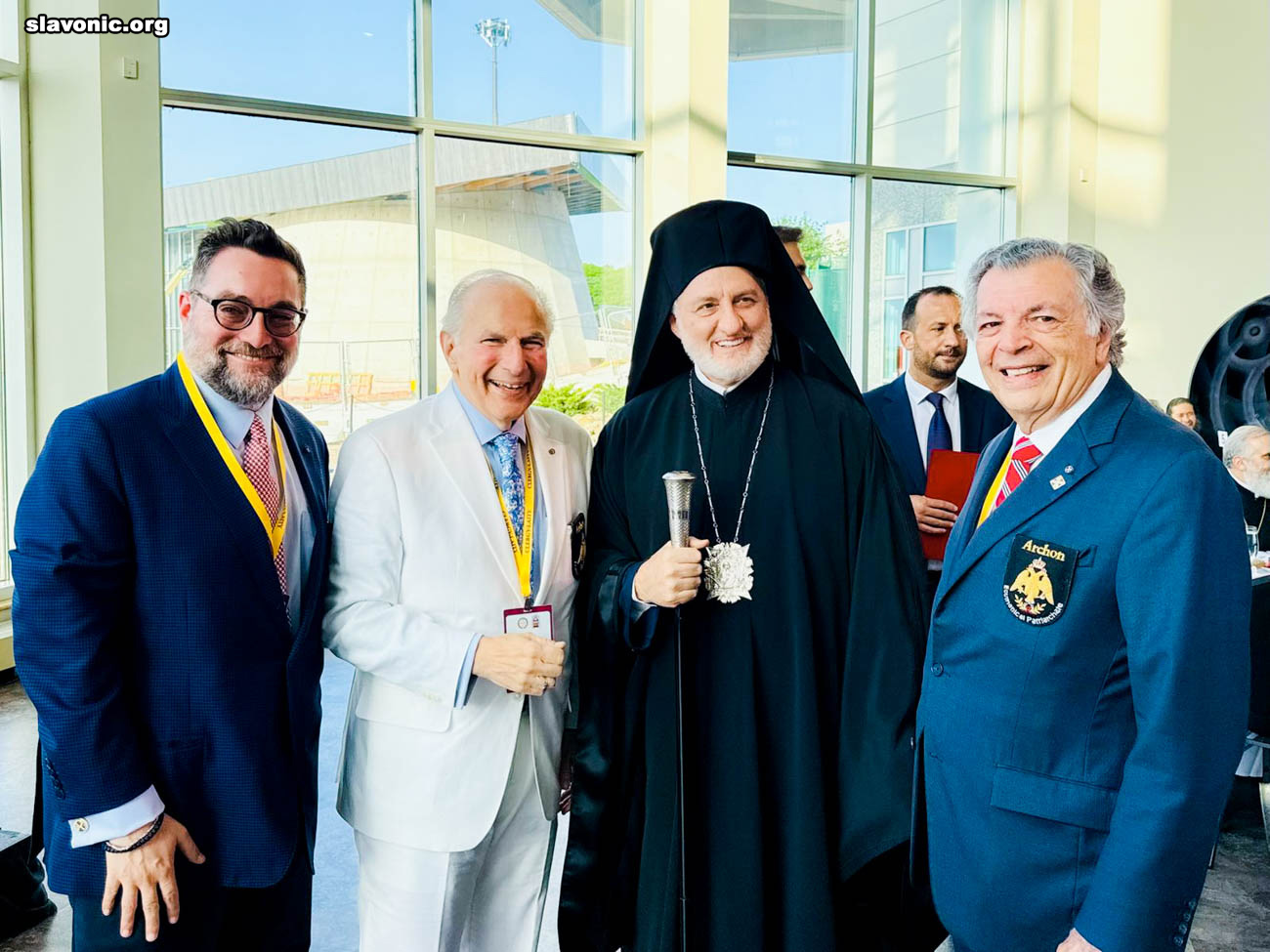
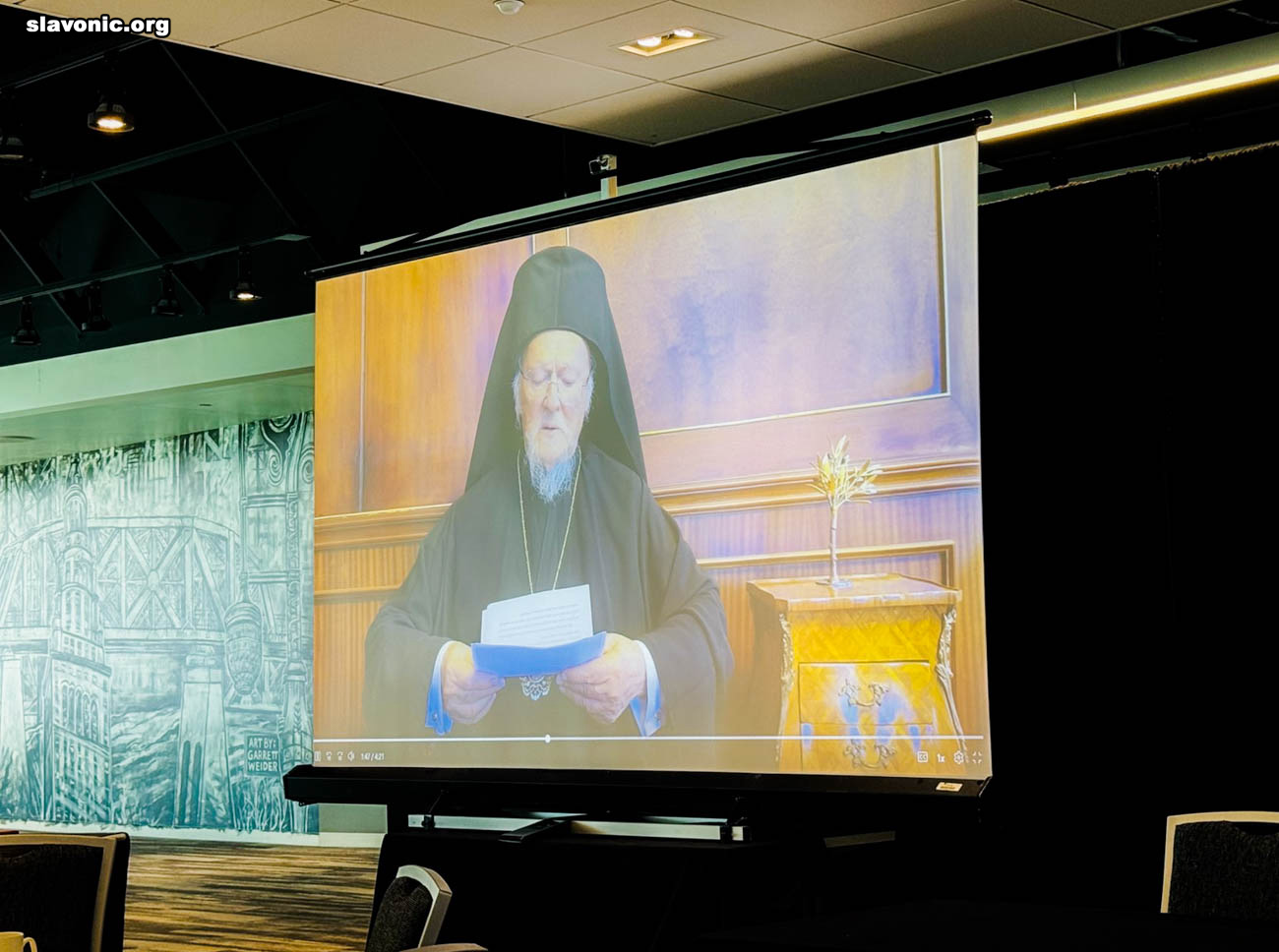
The Congress was presided over by His Eminence Archbishop Elpidophoros of America. Official representatives of the Ecumenical Patriarchate also participated, including Metropolitan Arsenios of Austria, Metropolitan Philotheos of Thessaloniki, and Grand Archimandrite Iakovos Krotchak.
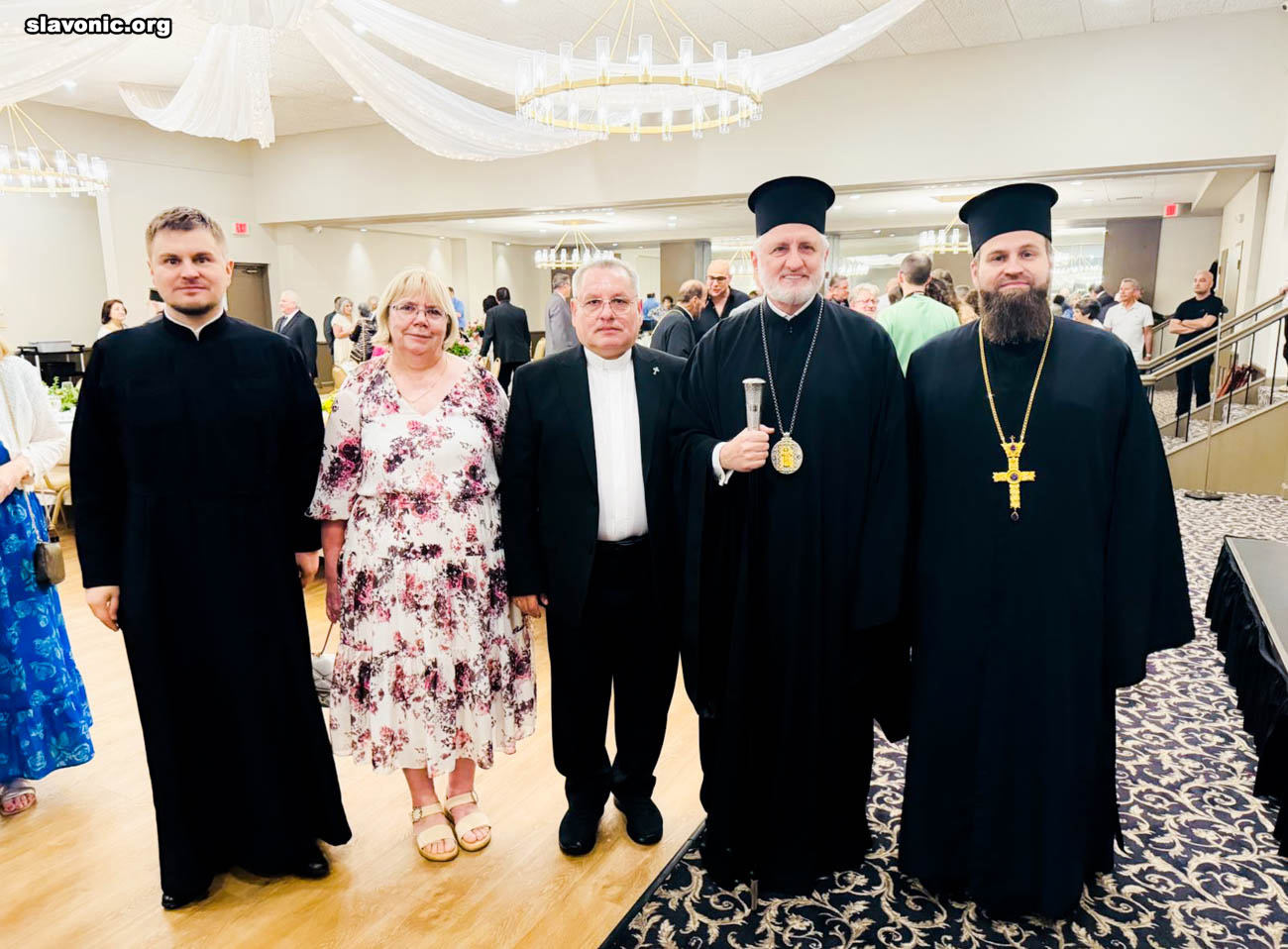
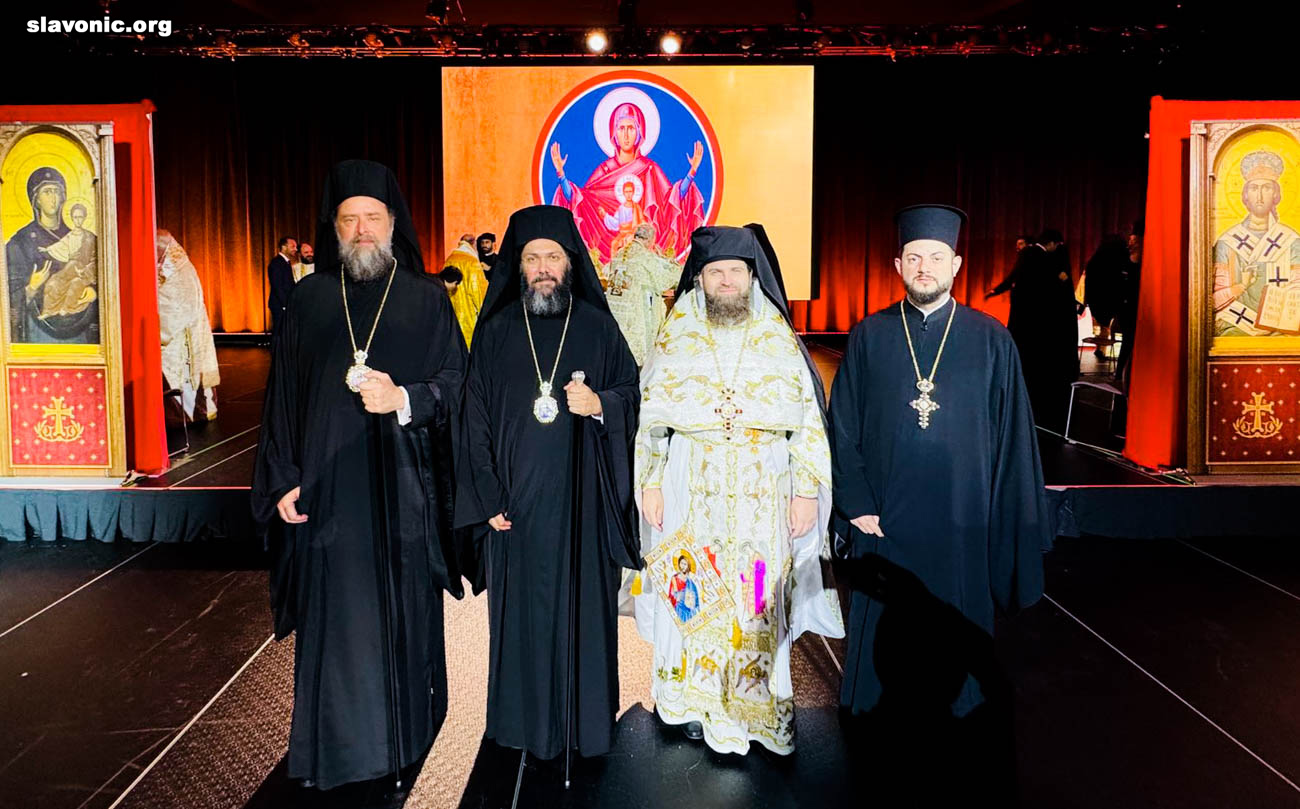
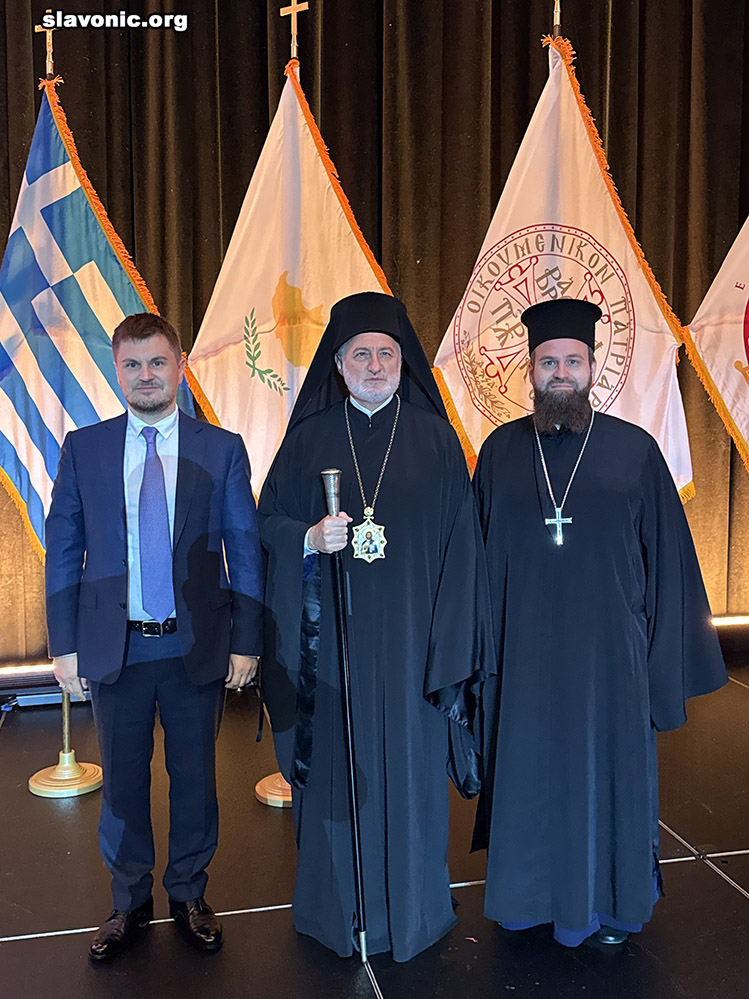
The Slavic Orthodox Vicariate of America was represented by Vicar Archimandrite Alexander, Bishop-elect of Nicopolis, and Ivan Belya, Director of Public Relations.
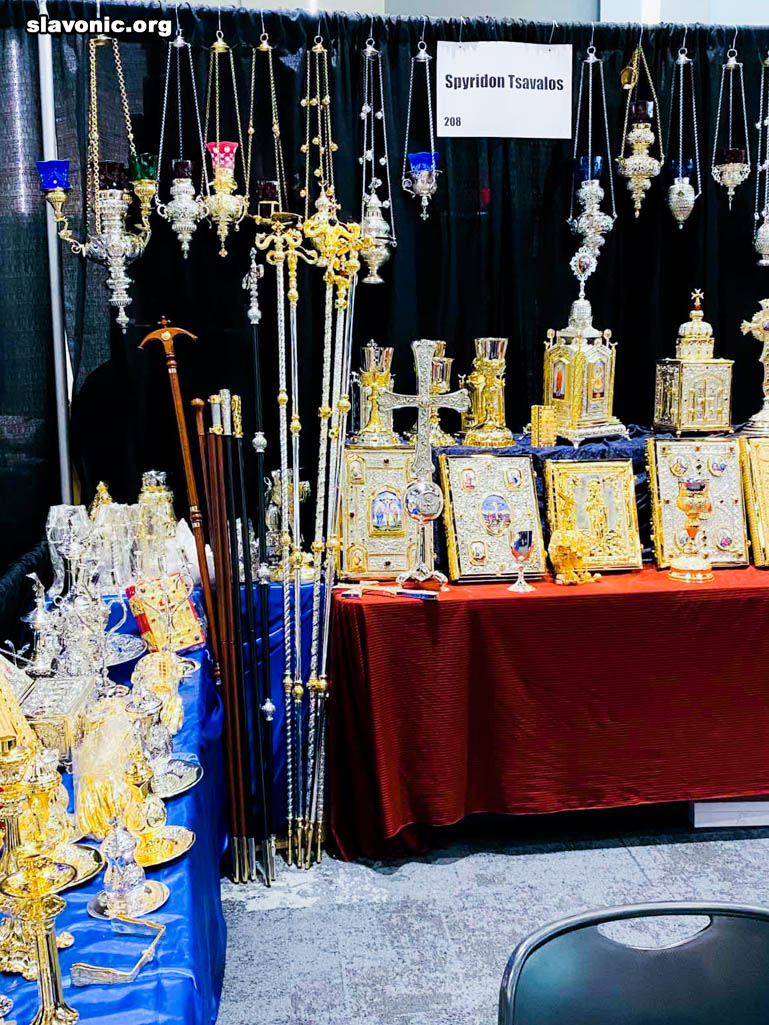
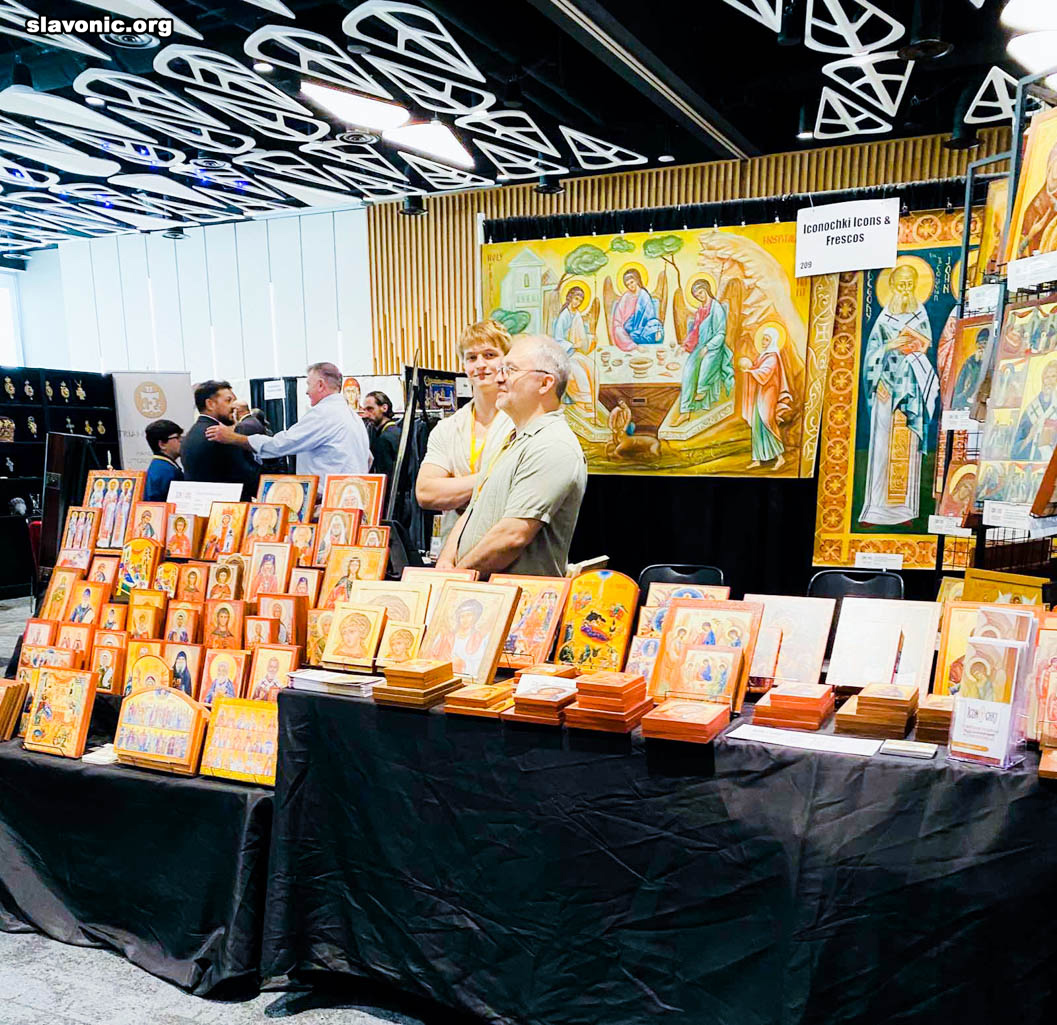
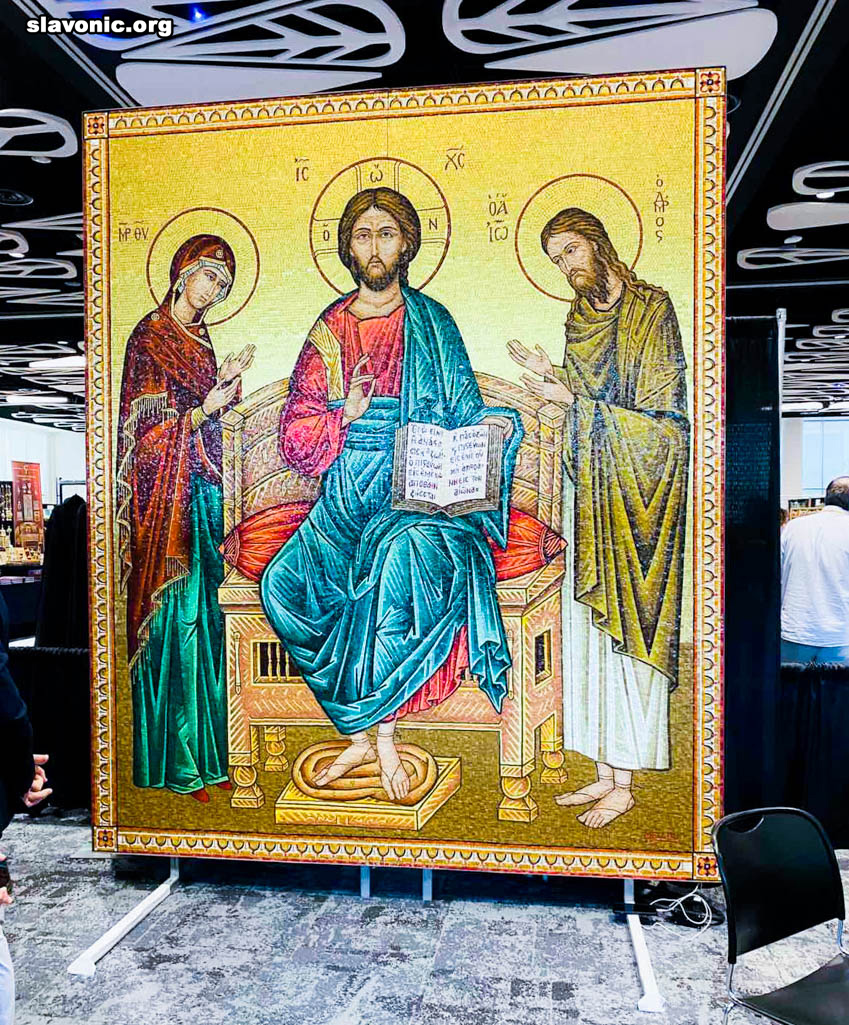
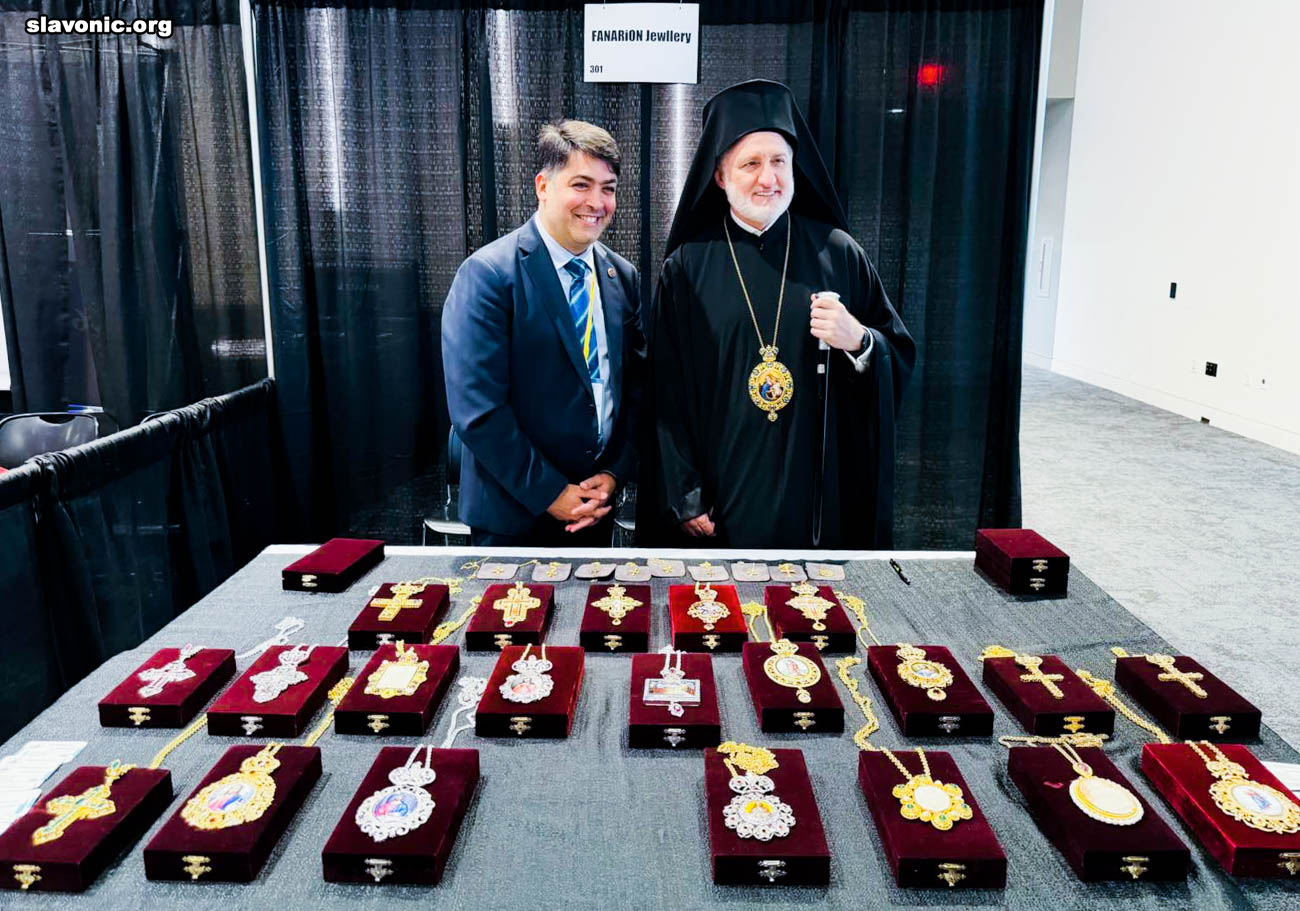
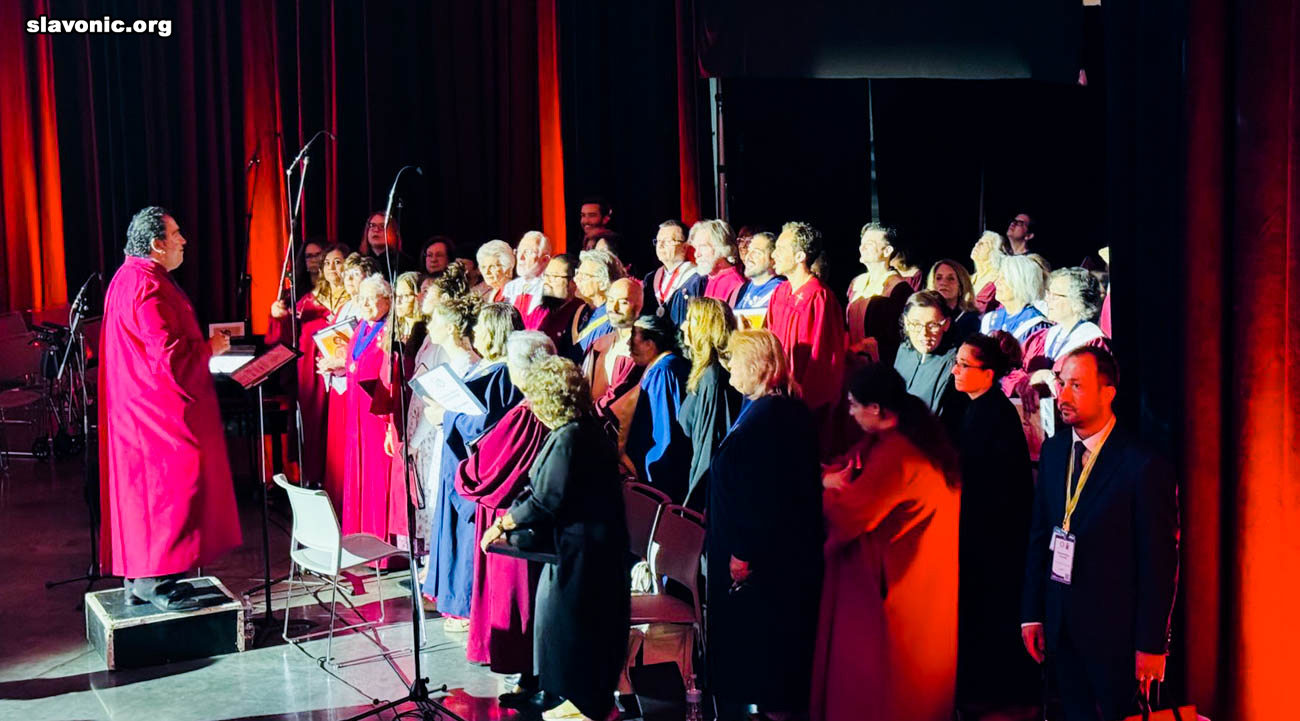
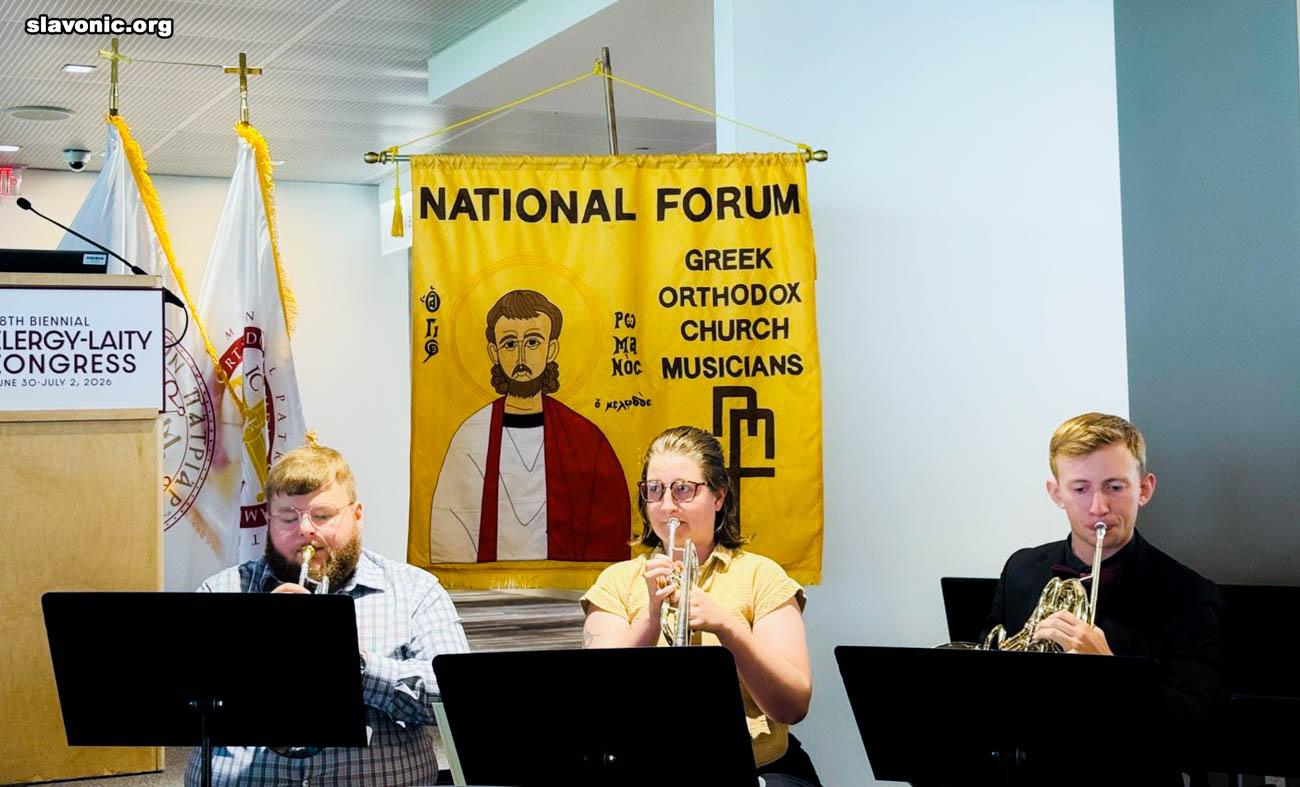
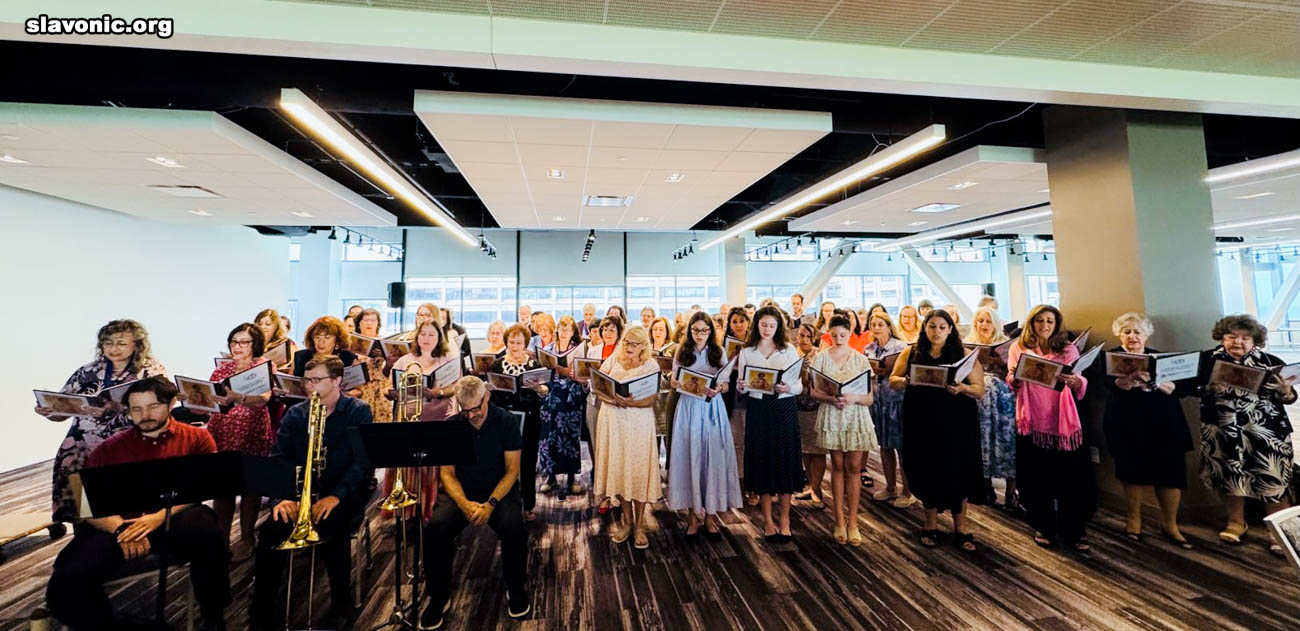
The Congress program featured divine services, plenary sessions, educational seminars, exhibitions by Church organizations, and meetings of representatives from various Orthodox ministries.
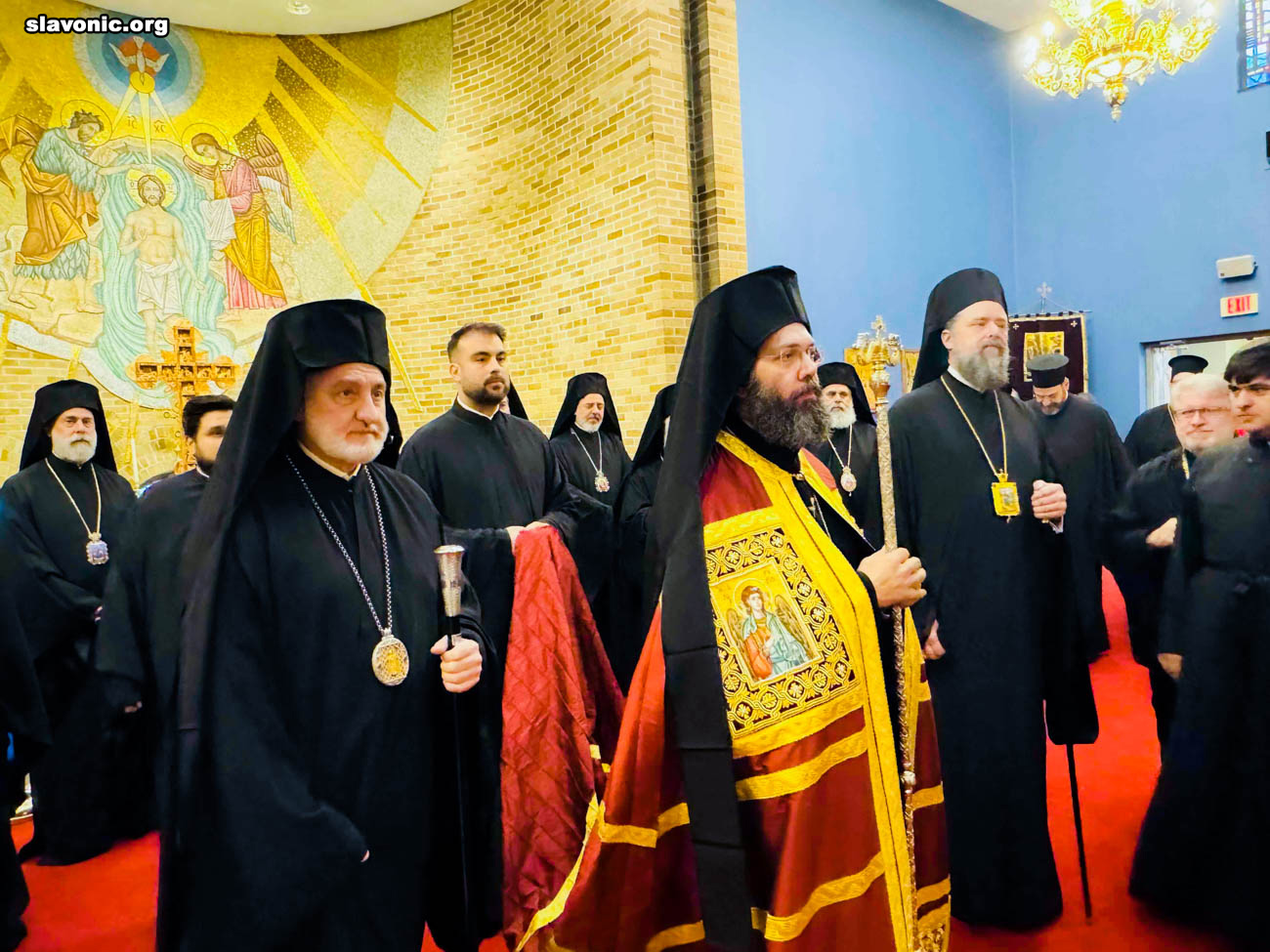
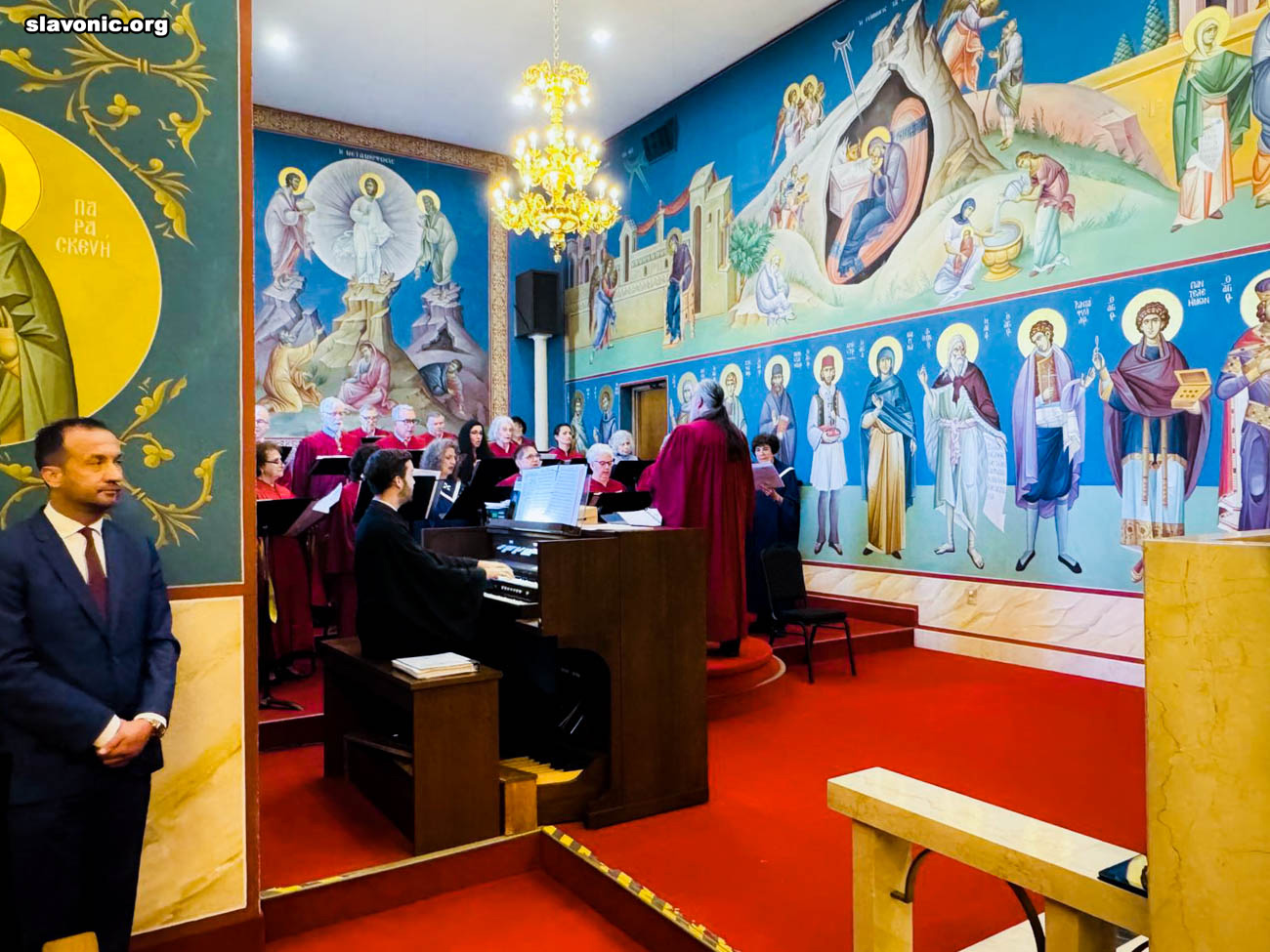
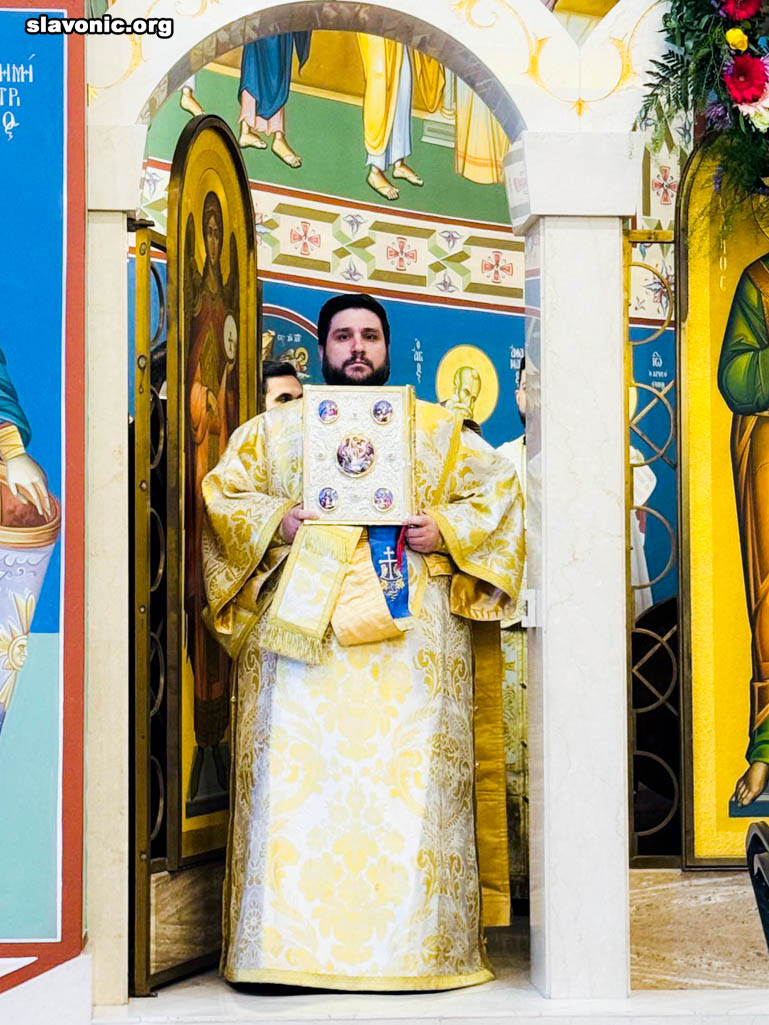
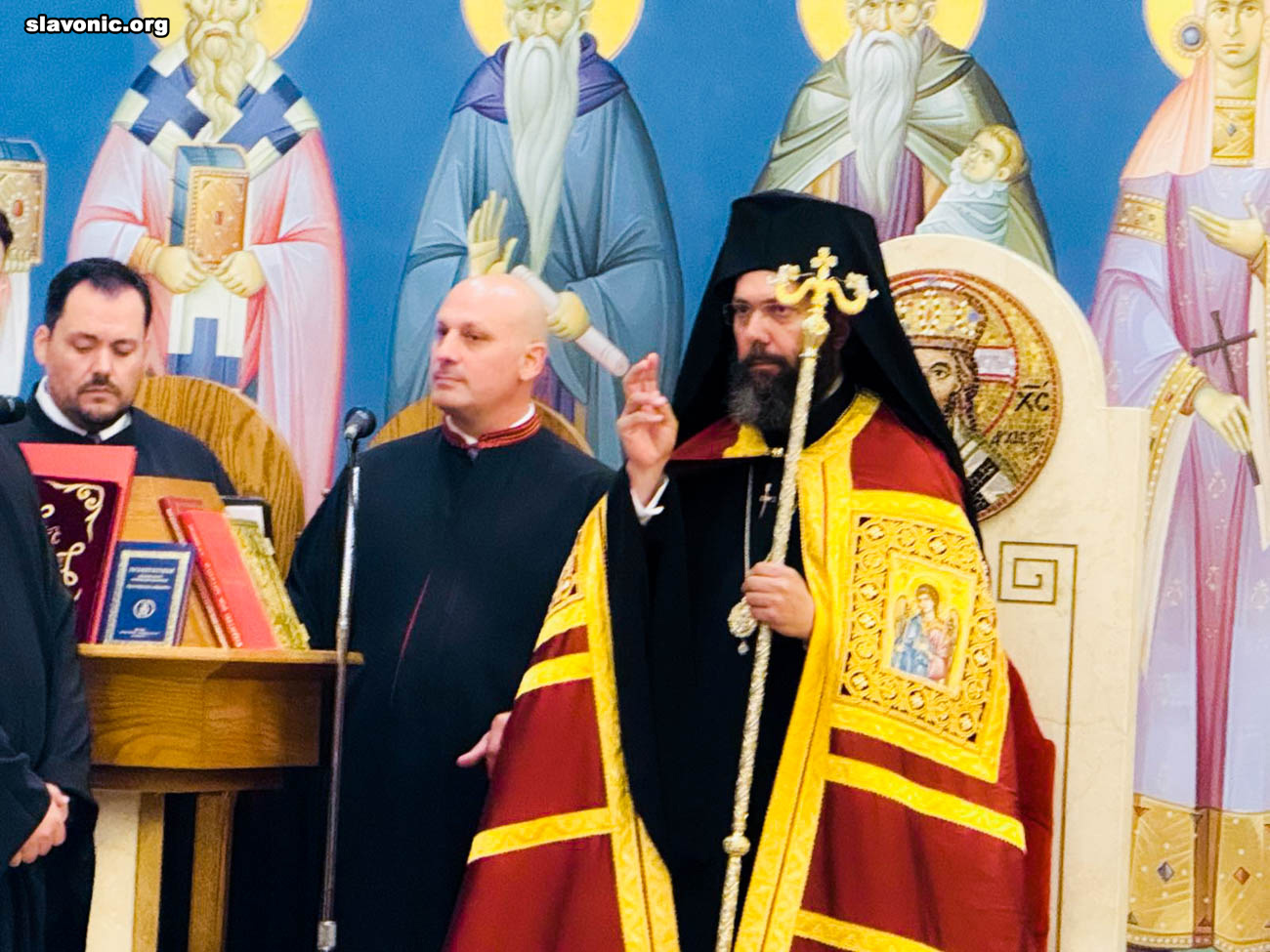
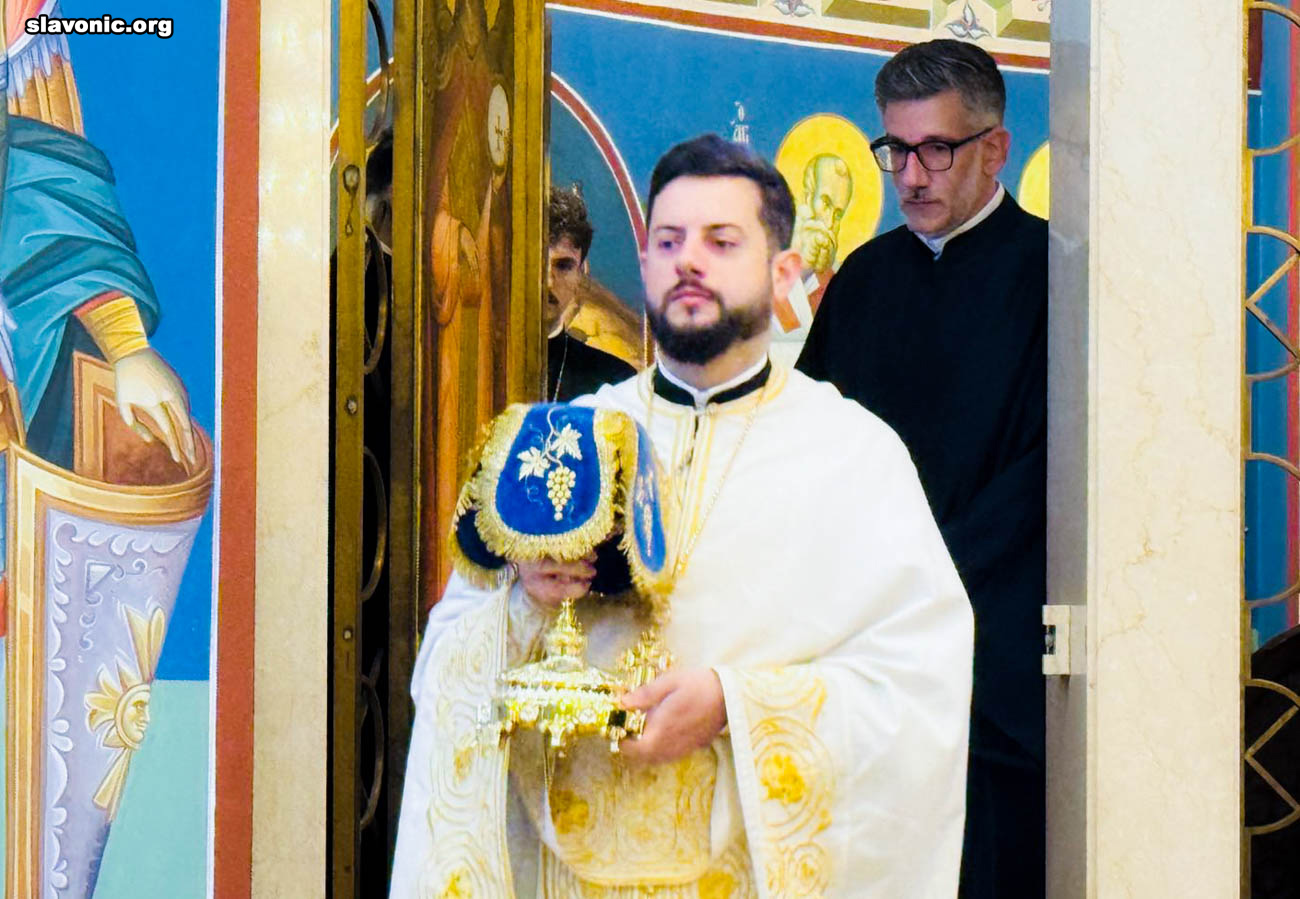
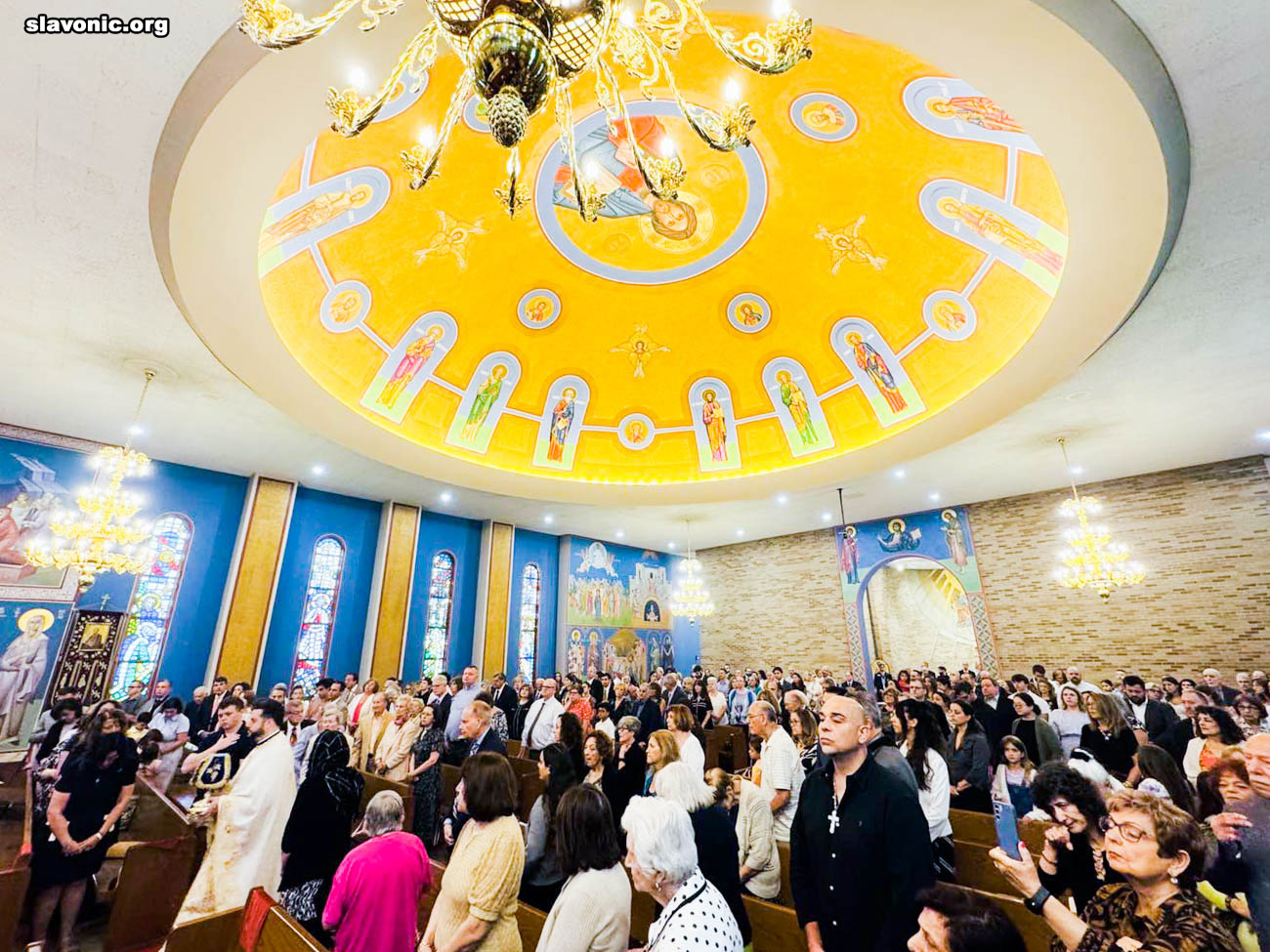
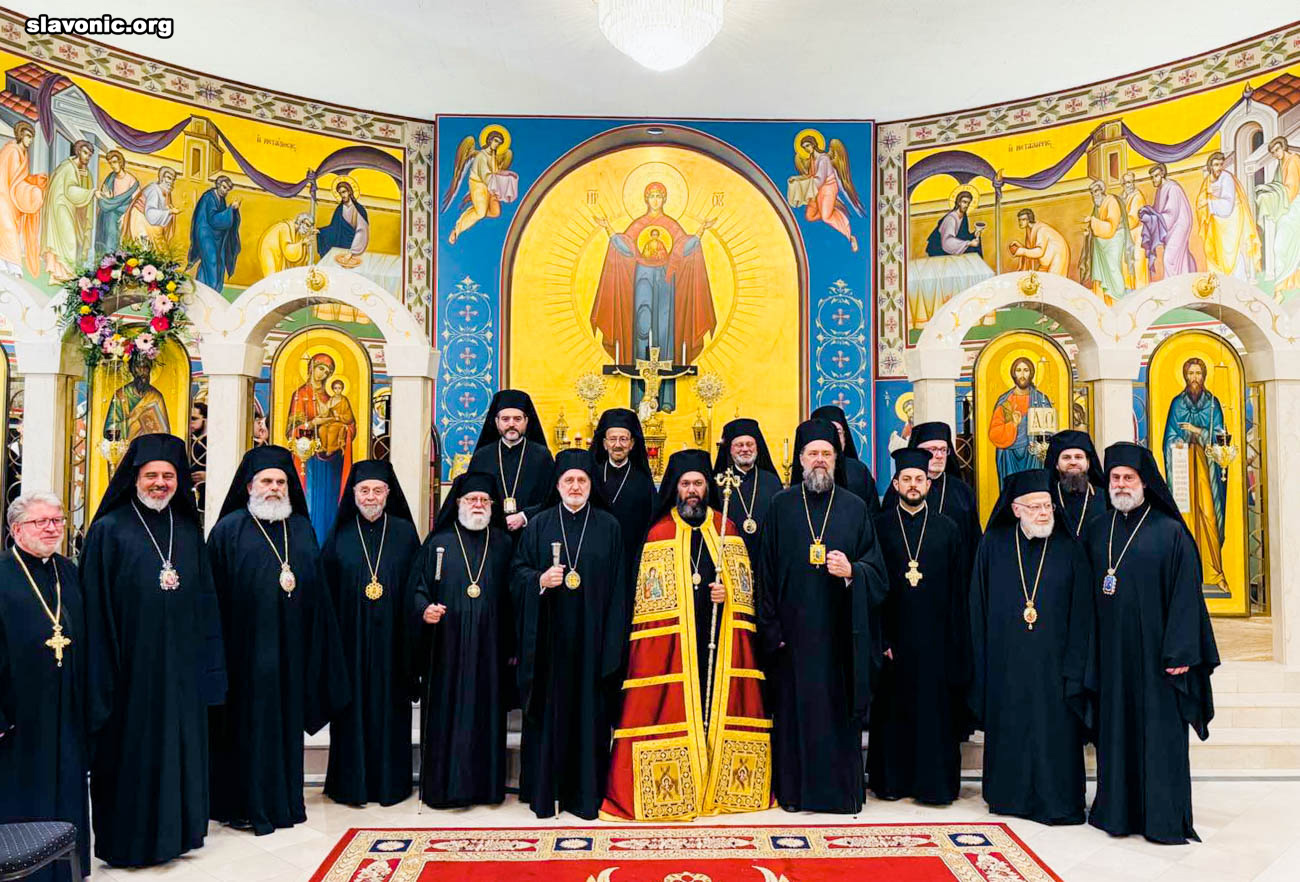
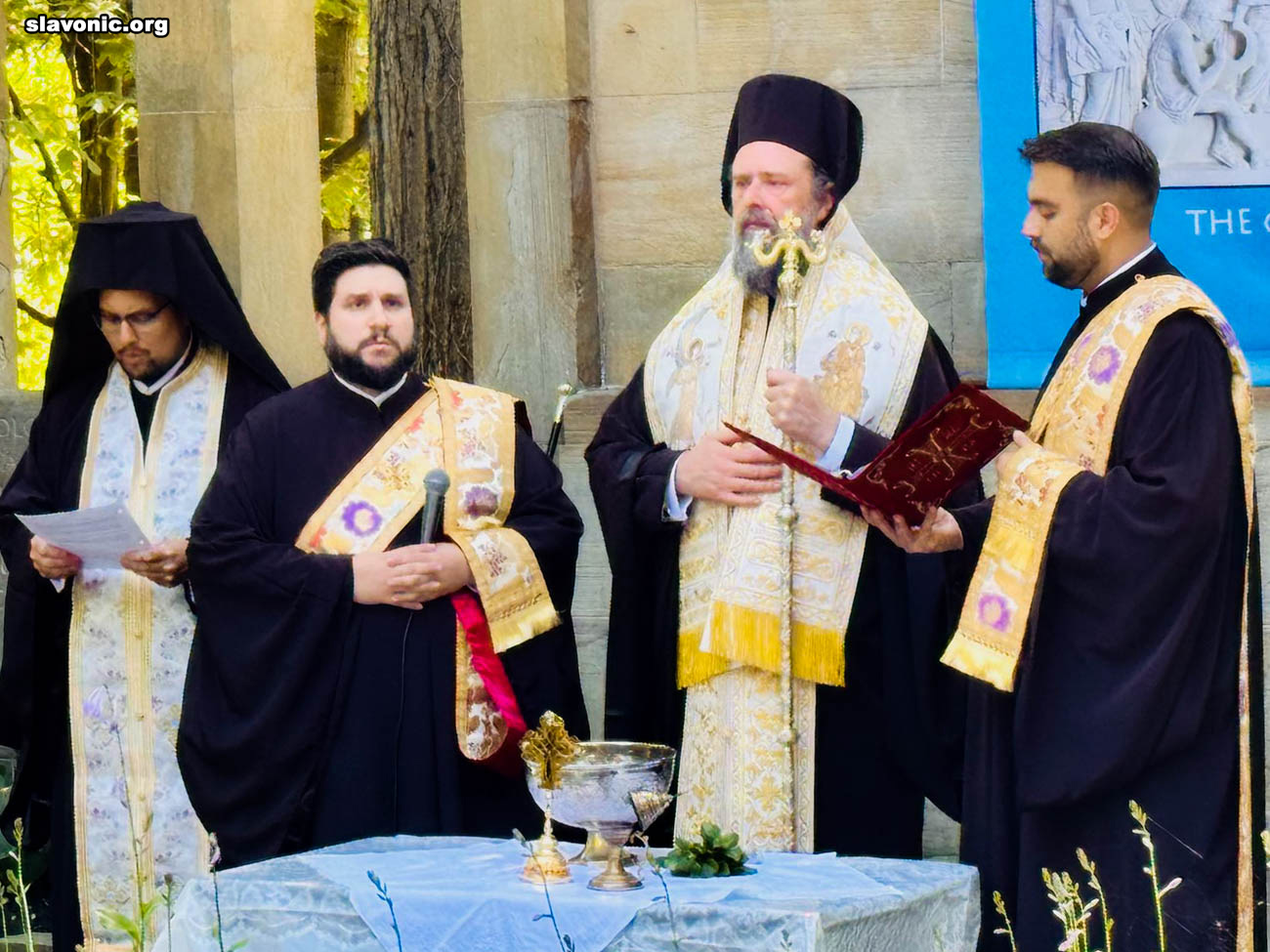
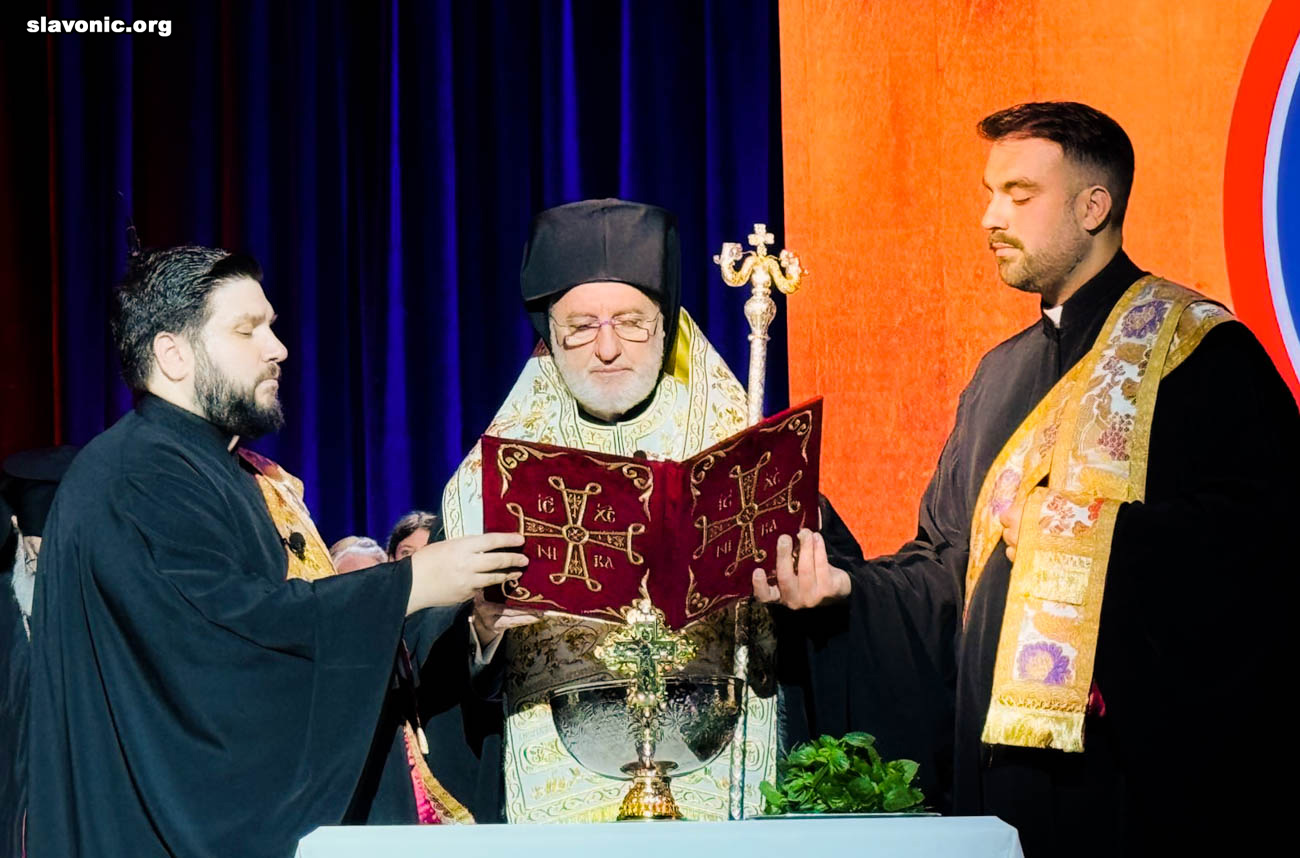
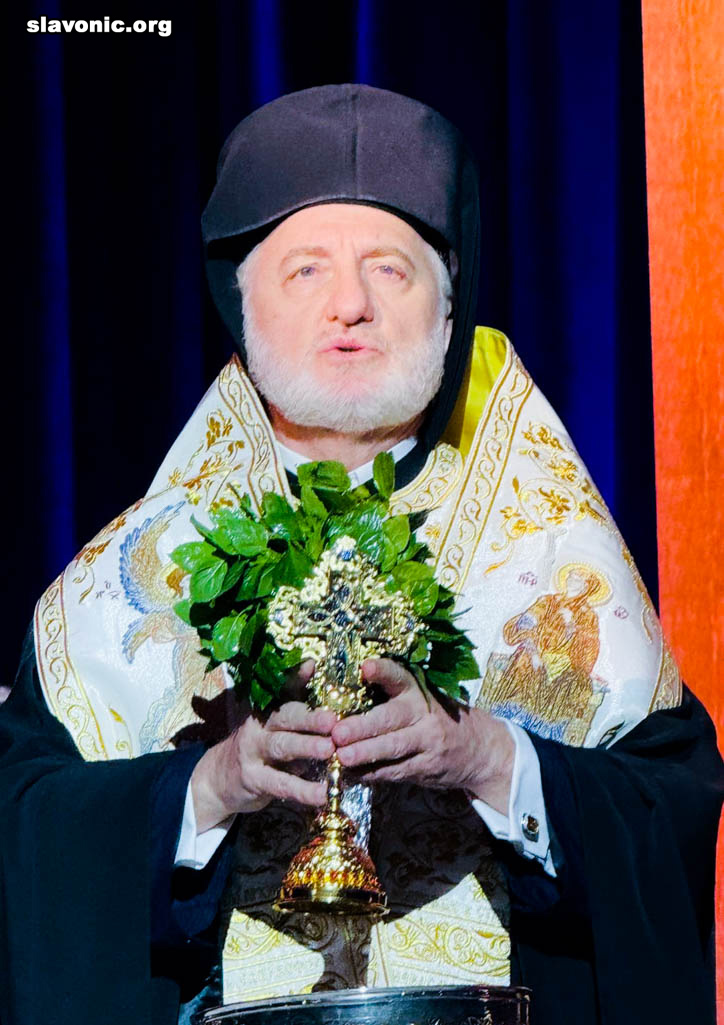
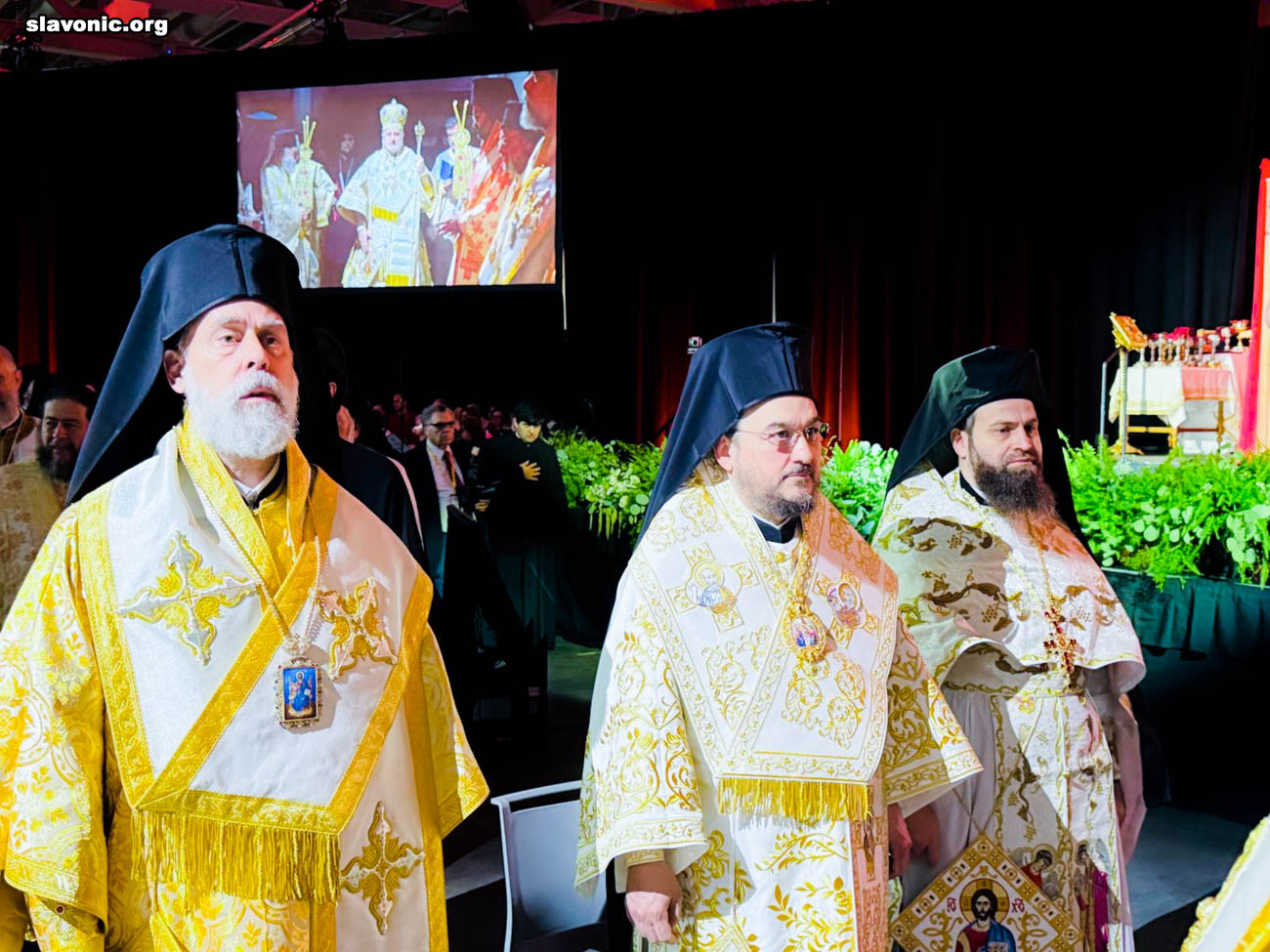
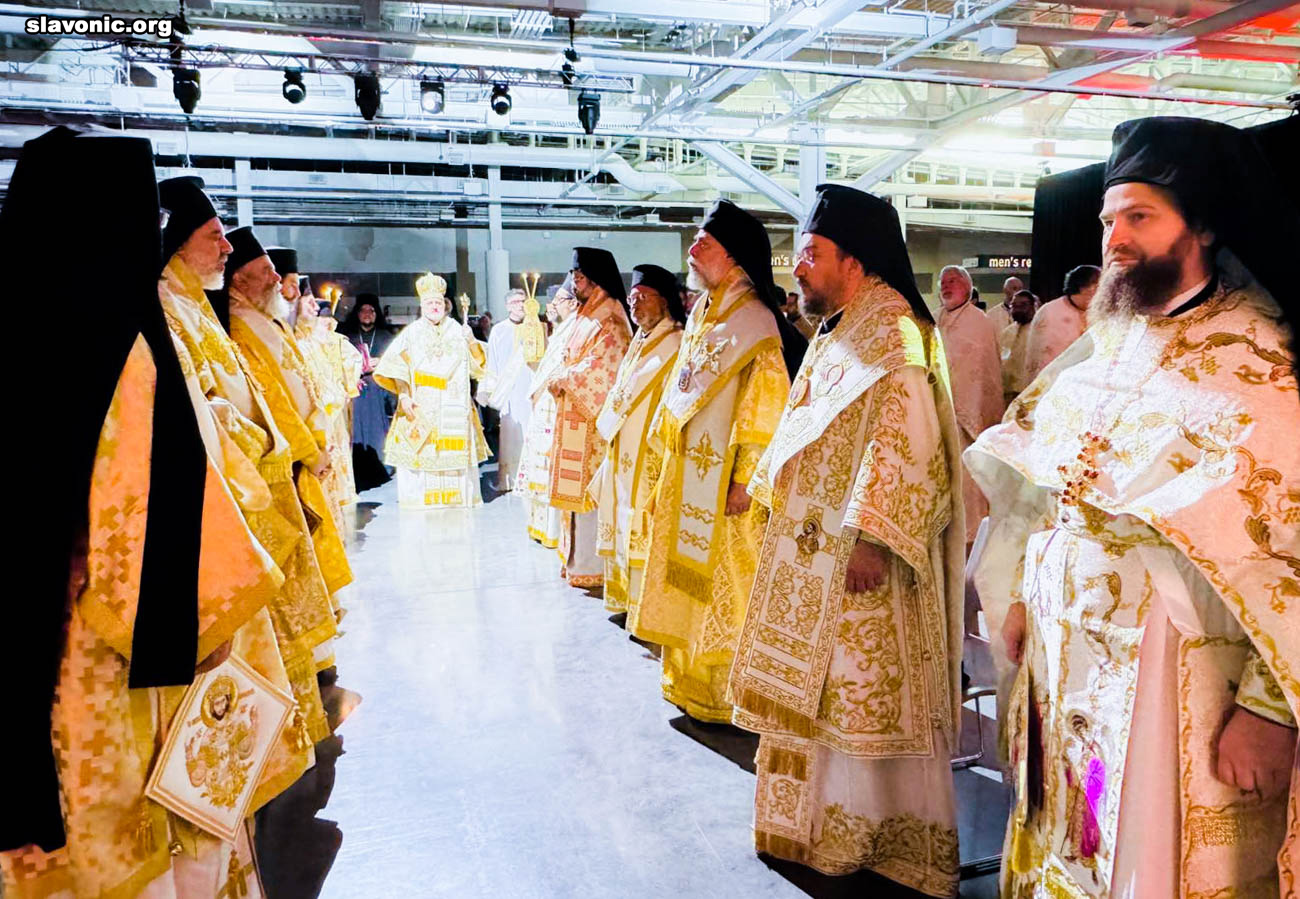
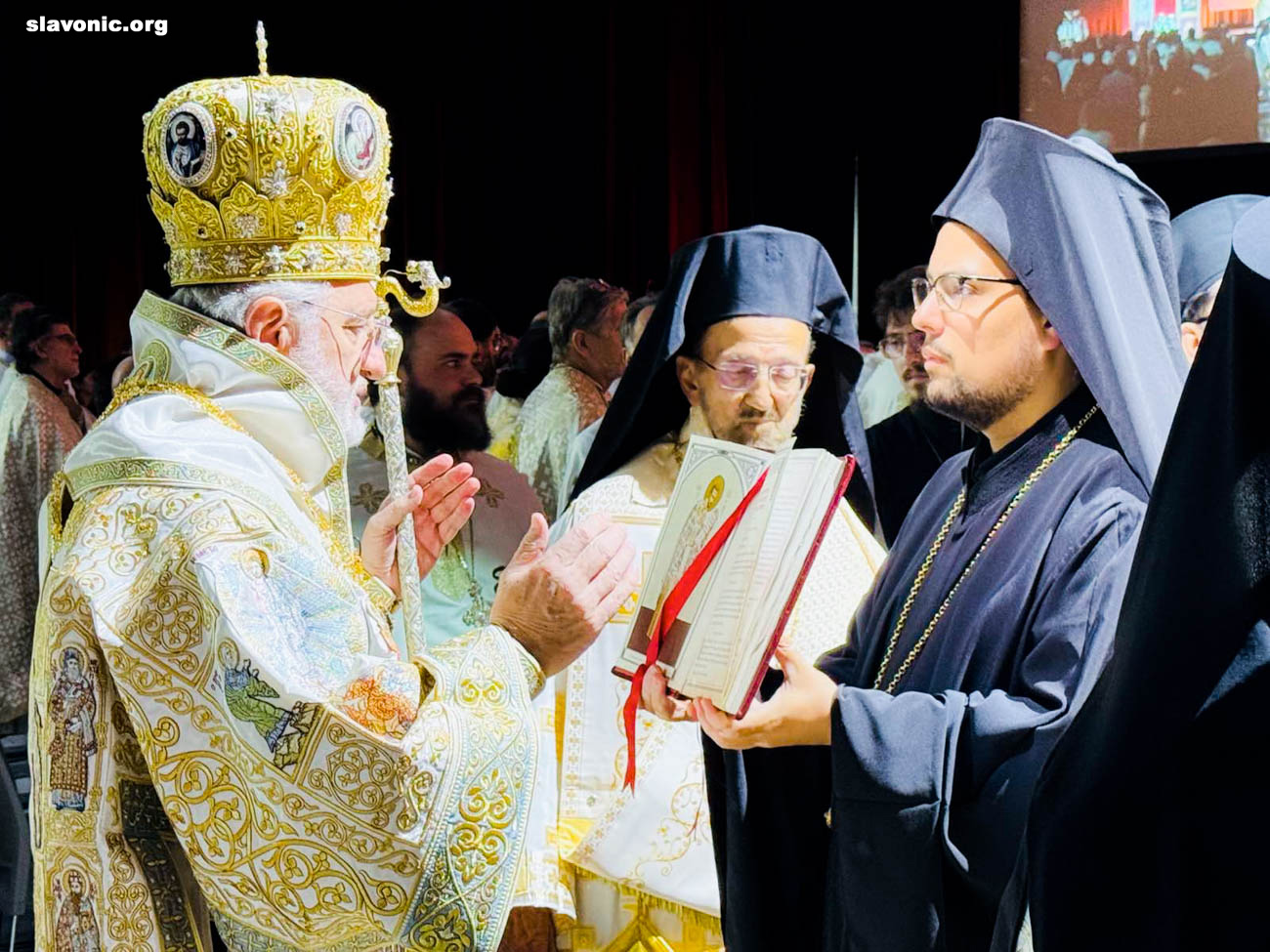
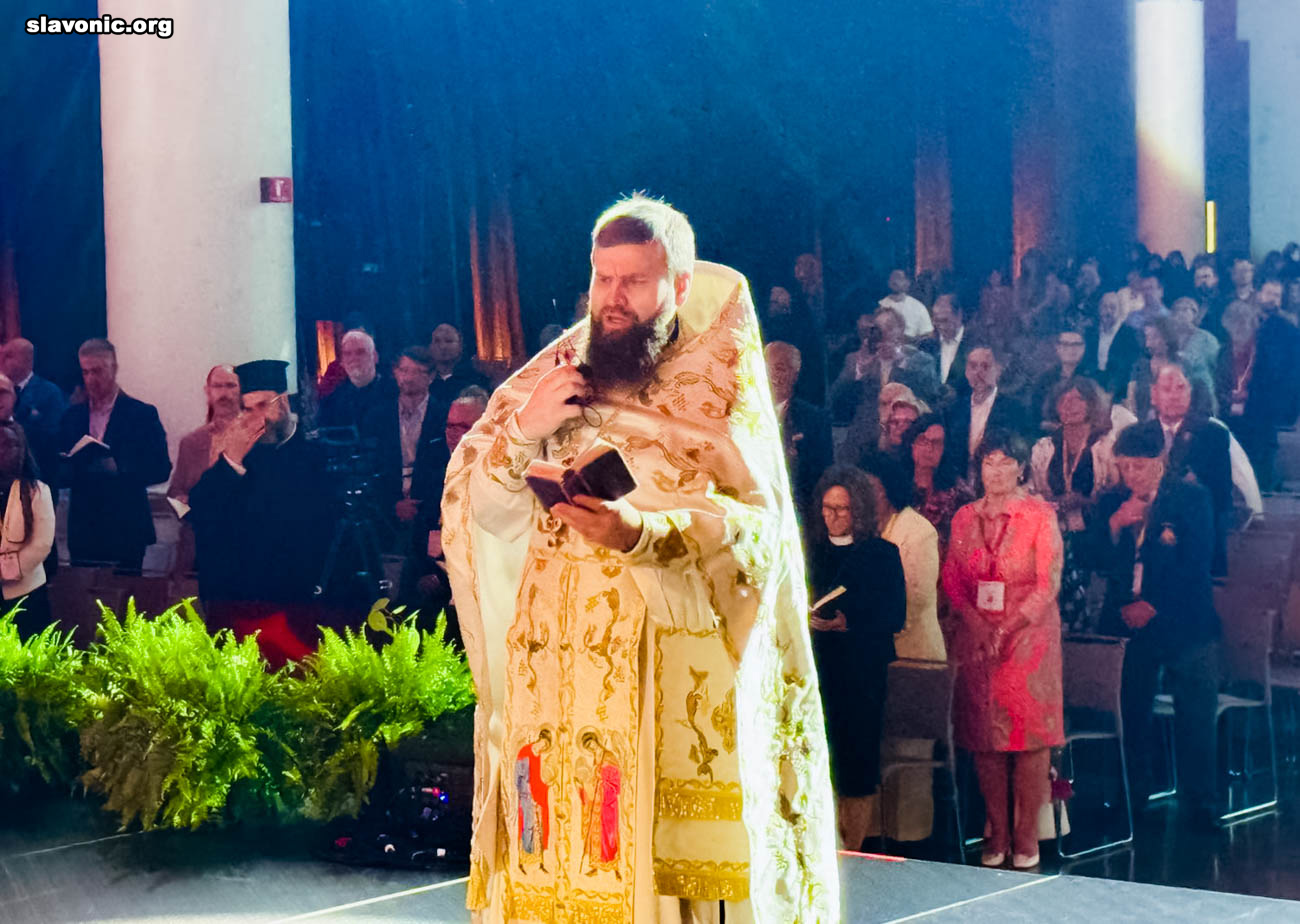
On July 1, the Synodal Hierarchical Divine Liturgy was celebrated with Archbishop Elpidophoros presiding. Concelebrating with His Eminence were Metropolitans Savvas of Pittsburgh, Gerasimos of San Francisco, Sevastianos of Atlanta, Ioseph of Buenos Aires, Apostolos of New Jersey, Nathanael of Chicago, and Constantine of Denver; Bishops Ioannis of Phocaea, Athenagoras of Nazianzos, Nektarios of Diokleia, Antony of Synada, Dionysios of Zenopolis, and Bishop-elect Alexander of Nicopolis, together with numerous clergy of the Archdiocese. Congress delegates and many faithful participated prayerfully in the Divine Liturgy.
The Divine Liturgy served as the spiritual center of the Congress, emphasizing that the life and ministry of the Church must always be rooted in common prayer and Eucharistic unity. In his homily, Archbishop Elpidophoros reminded the faithful that the Church is built first and foremost by the assembly of believers as the Body of Christ, rather than merely by physical church buildings. A distinctive feature of the service was its complete interpretation into American Sign Language, provided through a collaboration between the Assembly of Canonical Orthodox Bishops of the United States of America and the Orthodox Deaf Association, enabling worshippers with hearing impairments to participate fully in the liturgical celebration.
Throughout the three-day Congress, participants addressed the Church’s mission, parish development, youth ministry, Church governance, cooperation between clergy and laity, and religious education. A new curriculum for grades 1–12 was also presented. During the plenary sessions, delegates approved a number of administrative measures and considered proposals concerning the future development of various ministries of the Archdiocese.
One of the most well-attended sessions focused on the rapid growth in the number of people exploring Orthodox Christianity. Presenters observed that parishes are increasingly called upon to accompany catechumens and new converts, highlighting the need for strong catechetical formation, personal mentorship, and parish communities that foster the full integration of new members into the life of the Church.
Participants were also introduced to practical models for organizing youth gatherings, mentoring programs, volunteer initiatives, and missionary outreach designed to help young people maintain an active relationship with the Church after graduating from high school and college.
Another major focus of the Congress was the development of leadership opportunities for women and girls within the life of the Church. During a special panel discussion, participants shared successful examples of women’s ministries in parishes and metropolises, including church music, charitable outreach, pastoral care, assistance to survivors of domestic violence, ministries serving the homeless, hospice and palliative care, and other charitable initiatives. Panelists emphasized the importance of creating opportunities in every parish for the preparation and active involvement of women in the Church’s ministry.
A separate educational session addressed the protection of children in the digital age. Experts discussed current challenges such as cyberbullying, online predators, and human trafficking while offering clergy and parish leaders practical tools for creating safe environments for children and youth both online and within parish life.
Another significant initiative introduced during the Congress was the new Archdiocese Parish 403(b) retirement program, designed for clergy and lay employees serving in Church institutions. Organizers explained that the program is intended to provide long-term financial security for Church employees, equip parishes with modern retirement planning resources, and strengthen support for those who have dedicated their lives to the ministry of the Church.
On the final day of the Congress, participants gathered for the traditional AGAPE Breakfast. The event was marked by prayer, gratitude, and Christian fellowship, bringing together representatives of the Archdiocese’s largest philanthropic ministry while underscoring the central role of charitable service in the life of the Orthodox Church.
The Congress concluded with a keynote presentation focused on the practical renewal of parish life. Speakers encouraged delegates to return to their home communities not merely inspired by new ideas, but equipped with concrete plans for strengthening missionary outreach, developing future leaders, deepening parish fellowship, and increasing lay participation in the Church’s ministry.
Particular attention was also given to the Archdiocese’s financial report, presented in accordance with principles of transparency and accountability. Delegates received a detailed overview of how Church resources are allocated, including support for Archdiocese-wide ministries, the Metropolises, and theological education. Each year, the Archdiocese provides $3 million in support for Holy Cross Greek Orthodox School of Theology and Hellenic College, while also funding numerous other essential Church ministries. Thanks to sound administrative leadership and the stewardship of Archbishop Elpidophoros, the Archdiocese—which only a few years ago faced significant financial challenges—now operates with a balanced budget and stable financial foundation, allowing it to continue expanding its ministry throughout America.
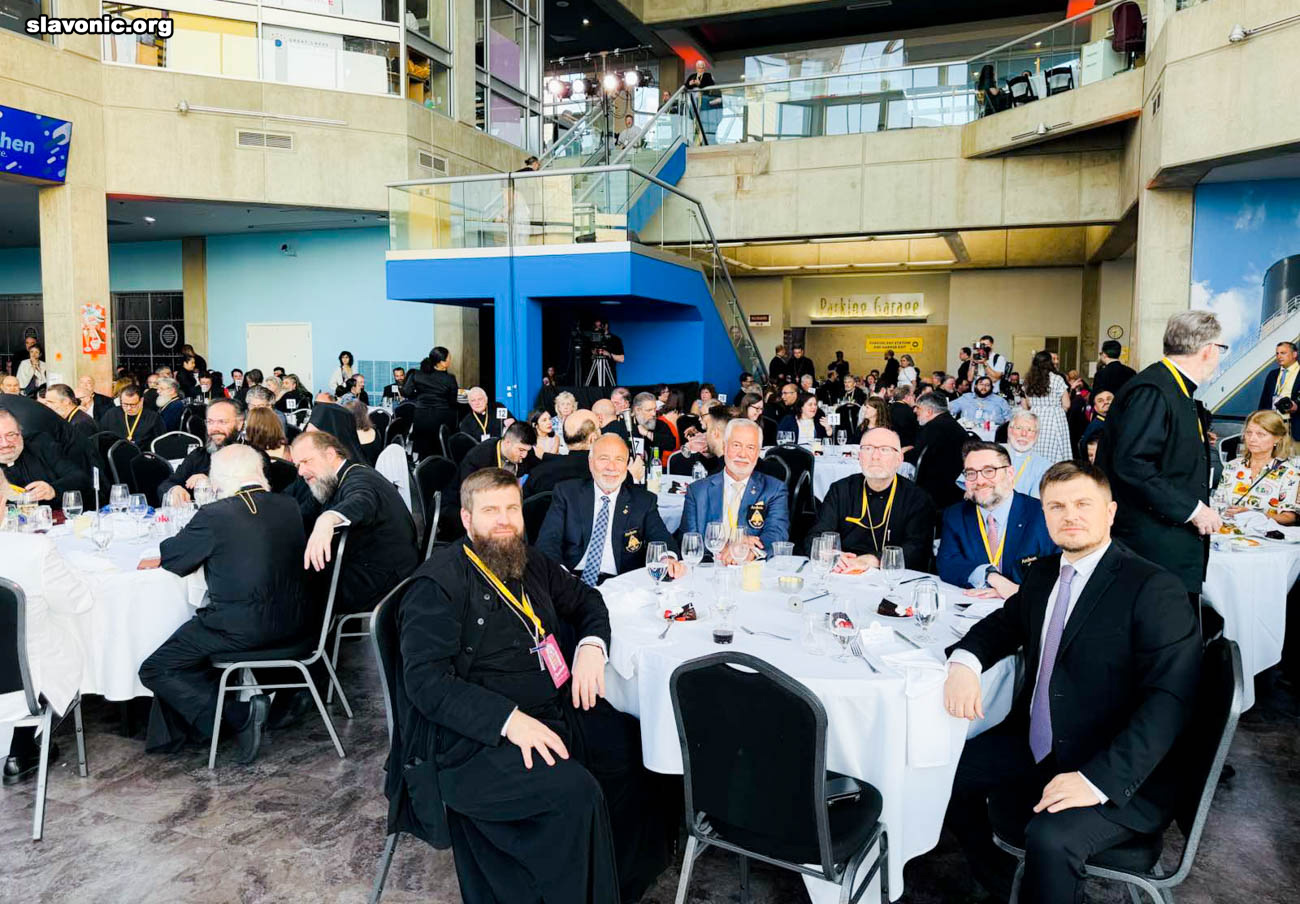
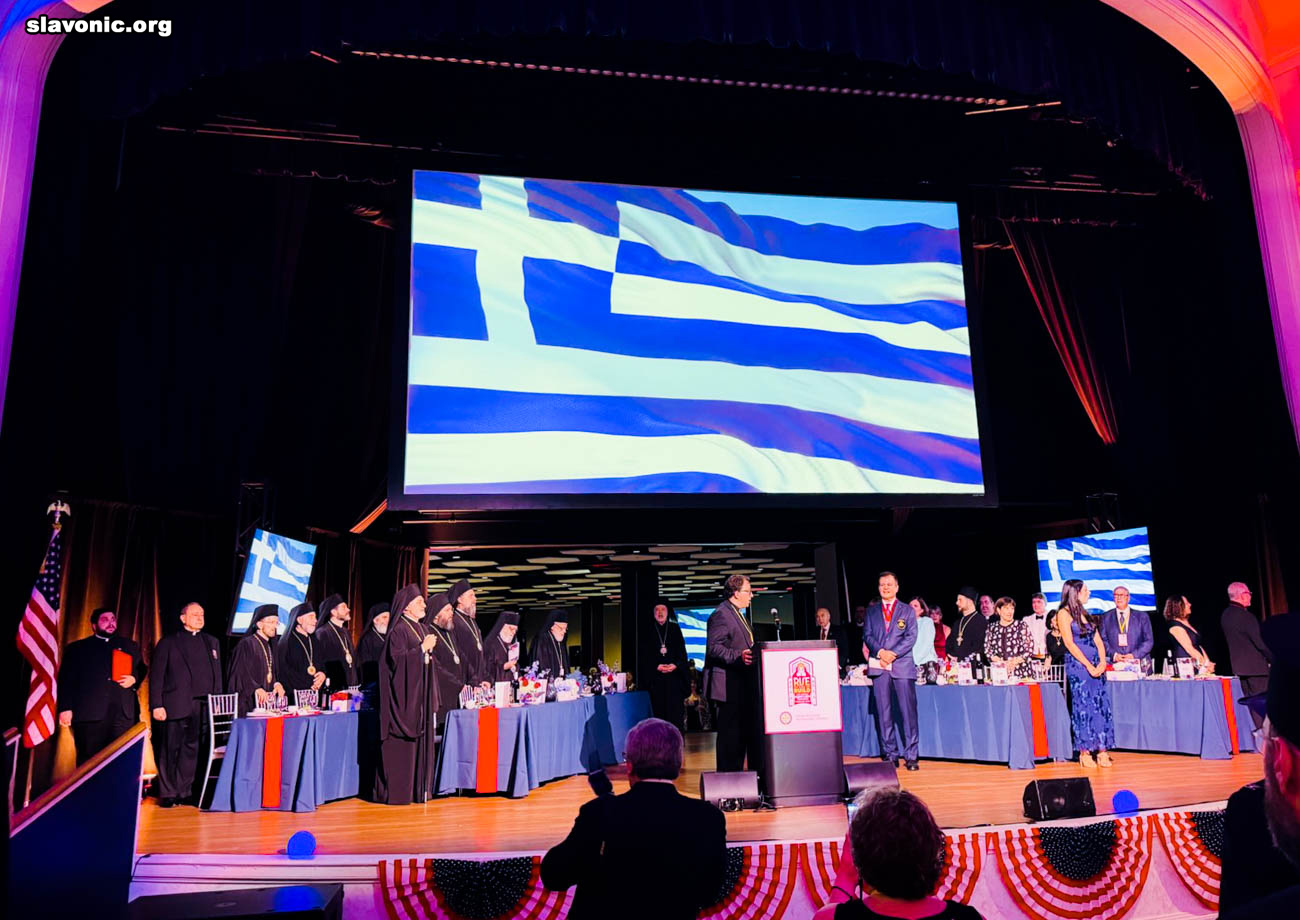
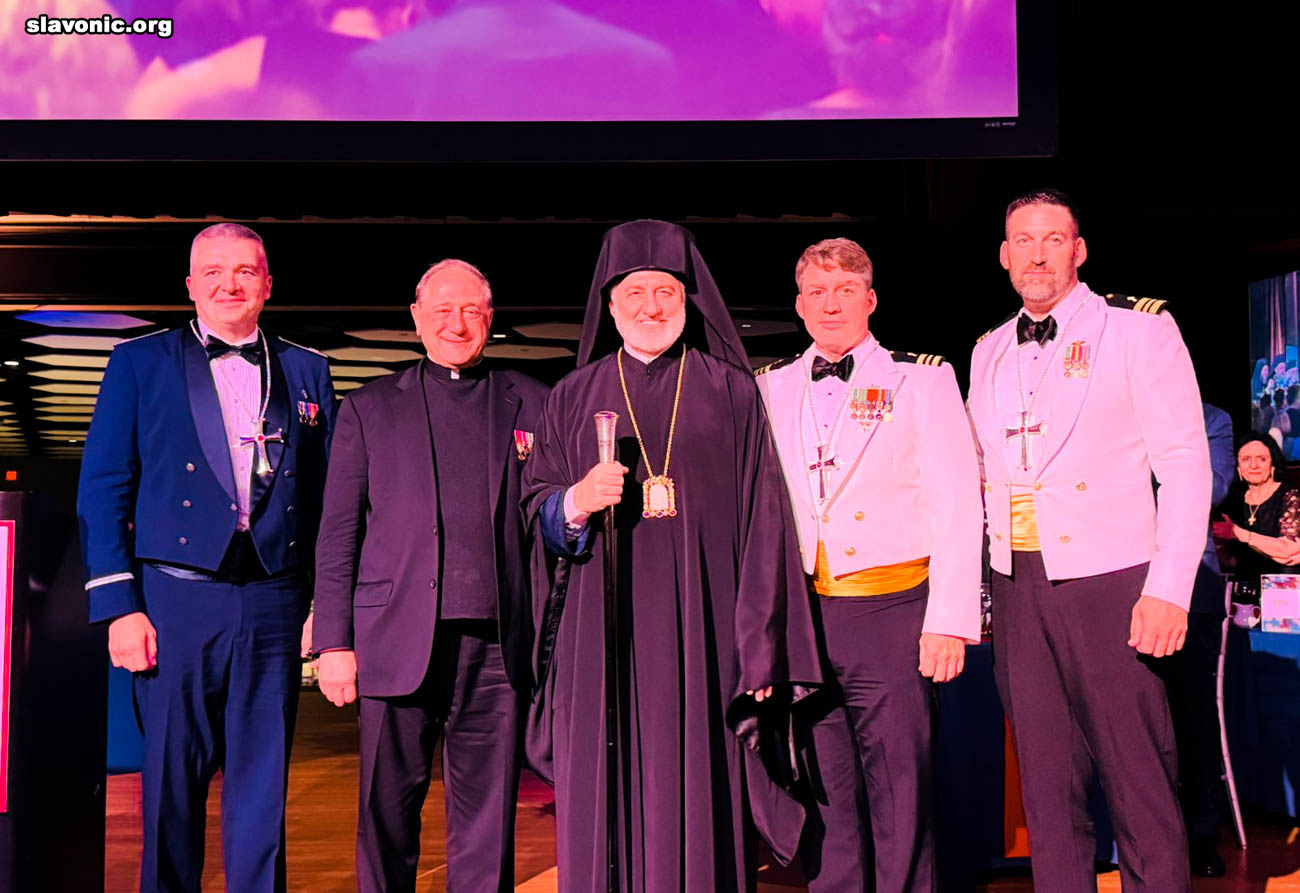
The 48th Clergy-Laity Congress concluded with the traditional Grand Banquet, bringing together clergy, lay delegates, and guests in a celebration of unity, gratitude, and a shared vision for the future of the Greek Orthodox Archdiocese of America. Organizers noted that the initiatives and decisions adopted in Cleveland are intended to strengthen the life of the Church and support the continued growth of the Archdiocese’s ministry in the years ahead.
In his closing remarks, Archbishop Elpidophoros announced that the 49th Clergy-Laity Congress will be held in 2028 in Dallas, Texas, under the auspices of the Metropolis of Denver.